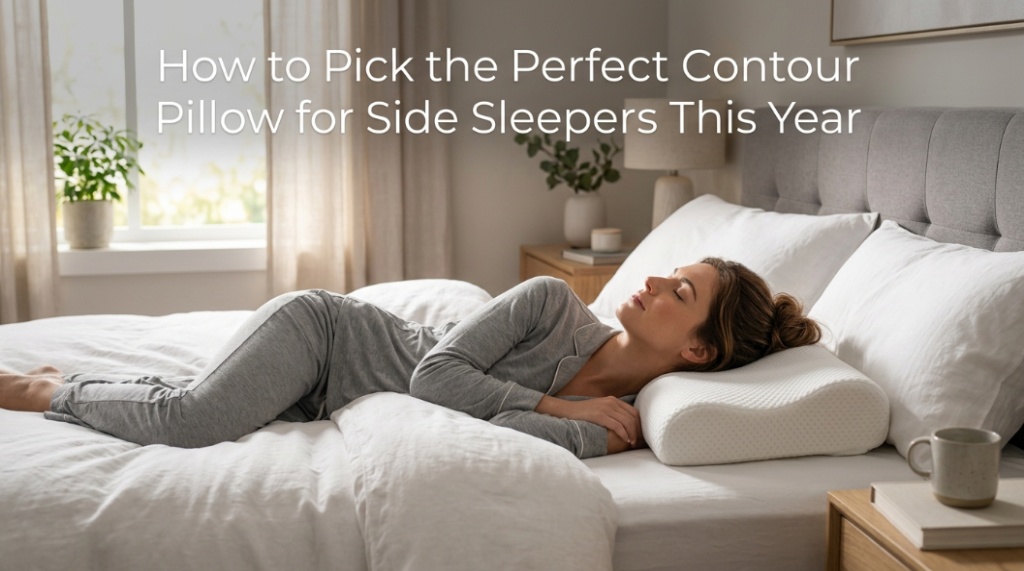

Most people spend nearly one-third of their lives asleep, yet a pillow no bigger than a loaf of bread often decides whether they wake up refreshed or reach for pain relief. The fastest way to choose the right contour pillow for side sleepers is to match its loft, firmness, contour depth, and material to your body size, shoulder width, and preferred sleeping position. A properly designed contour pillow keeps the head, neck, and spine aligned while reducing pressure on the shoulders.
Side sleepers frequently struggle with neck stiffness, shoulder tension, numb arms, and interrupted sleep. Many assume a softer pillow is the answer, but excessive softness often allows the head to sink too deeply, creating spinal misalignment. Over time, poor support may contribute to discomfort, restless sleep, and recurring morning aches.
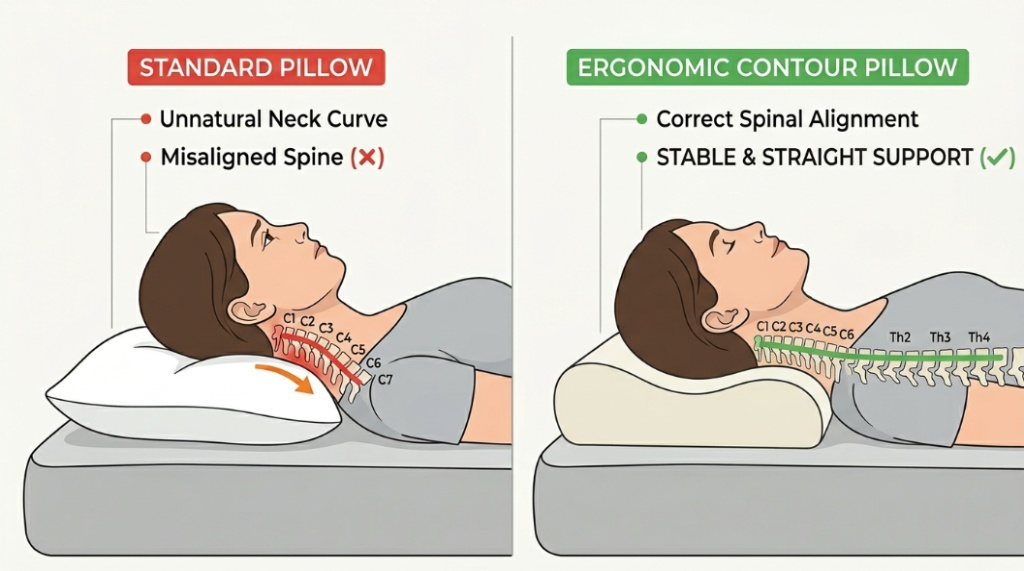
A contour pillow is specifically engineered to address these issues through ergonomic design. Its curved shape supports the natural cervical curve while maintaining proper alignment throughout the night. For those searching for an ergonomic sleep solution, choosing the correct contour pillow can significantly improve comfort, posture, and sleep quality.
This guide explains exactly how side sleepers can select the ideal contour pillow this year, what features matter most, common mistakes to avoid, and how to find the right fit for long-term comfort.
What Is a Contour Pillow and Why Is It Recommended for Side Sleepers?
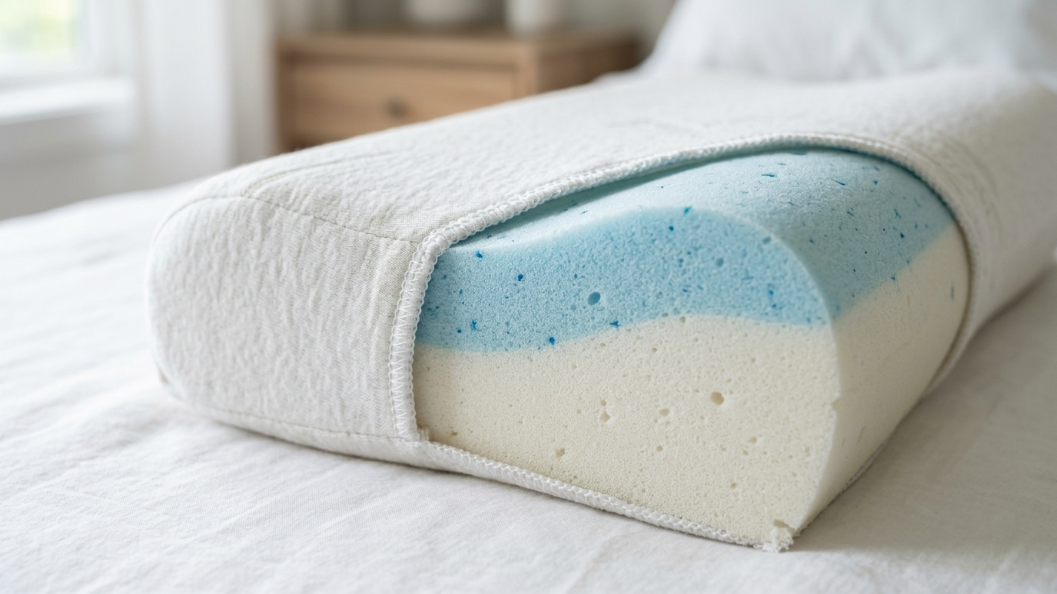
A contour pillow is an ergonomically shaped pillow featuring raised edges and a lower center section designed to support the neck’s natural curve and maintain spinal alignment during sleep.
Unlike traditional rectangular pillows, contour pillows are engineered to cradle the head while supporting the cervical spine. This design helps distribute pressure evenly and minimizes unnatural neck angles.
Many sleep specialists recommend contour pillows for side sleepers because the position naturally creates a larger gap between the mattress and the head. Proper support fills this space and prevents excessive neck bending. Those researching specialized designs can compare options through this detailed contour pillow comparison guide.
Benefits often include:
- Better spinal alignment
- Reduced neck strain
- Improved pressure distribution
- Enhanced shoulder comfort
- Reduced tossing and turning
- More consistent sleep quality
How Does Sleeping Position Affect Pillow Choice?
Your sleeping position directly determines the ideal pillow height, firmness, and support profile required for healthy spinal alignment.
Side sleepers require higher loft pillows than back sleepers because their shoulders create additional space between the mattress and the head. Without sufficient support, the neck tilts downward throughout the night.
Research from sleep and musculoskeletal studies consistently shows that maintaining neutral spinal alignment can help reduce discomfort and improve sleep efficiency.
When evaluating pillows, consider:
- Primary sleep position
- Body frame size
- Shoulder width
- Mattress firmness
- Existing neck or shoulder issues
Interestingly, environmental comfort also affects sleep quality. Factors such as noise reduction can improve overall rest, similar to how proper pillow support improves physical comfort. Homeowners exploring quieter sleep environments may benefit from learning ways to minimize household noise for a more peaceful living space.
Can Combination Sleepers Use Contour Pillows?
Yes. Many modern contour pillows accommodate both side and back sleeping positions through dual-height designs and adaptive memory foam construction.
What Loft Is Best for Side Sleepers?
Most side sleepers perform best with a medium-to-high loft pillow that keeps the head level with the spine.
Loft refers to pillow height. If the pillow is too low, the head drops toward the mattress. If it’s too high, the neck bends upward unnaturally.
| Body Type | Recommended Loft | Typical Support Need |
|---|---|---|
| Small Frame | 3–4 inches | Moderate support |
| Average Build | 4–5 inches | Balanced support |
| Broad Shoulders | 5–6 inches | Maximum support |
Shoulder width often influences loft requirements more than height or weight alone.
How Can You Test Proper Pillow Loft?
When lying on your side, your nose should align roughly with the center of your chest. If the head tilts upward or downward, the loft is likely incorrect.
What Firmness Level Should a Shoulder Pain Pillow Have?
A quality shoulder pain pillow should generally offer medium-firm support that maintains shape while relieving pressure points.
Many side sleepers mistakenly choose overly soft pillows because they initially feel comfortable. However, excessive softness often allows the head to sink too deeply, compromising alignment.
Medium-firm contour pillows typically provide:
- Better cervical support
- Improved durability
- Consistent pressure relief
- Enhanced alignment
- Reduced shoulder compression
Memory foam remains one of the most popular choices because it conforms to individual anatomy while retaining structural support.
Is Firmer Always Better?
No. Excessively firm pillows may create pressure points around the jaw, ear, and shoulder. Balance is more important than maximum firmness.
Which Pillow Materials Provide the Best Ergonomic Sleep Experience?
Memory foam and high-quality latex are generally considered the most supportive materials for ergonomic sleep and long-term spinal alignment.
Different materials affect comfort, temperature regulation, durability, and support characteristics.
| Material | Support | Pressure Relief | Durability | Cooling |
|---|---|---|---|---|
| Memory Foam | Excellent | Excellent | High | Moderate |
| Latex | Excellent | Very Good | Very High | Good |
| Polyfoam | Good | Good | Moderate | Moderate |
| Down Alternative | Low | Moderate | Lower | Good |
Are Cooling Contour Pillows Worth It?
Yes. Hot sleepers often benefit from ventilated foam, gel-infused memory foam, moisture-wicking covers, or latex designs that improve airflow and temperature regulation.
How Can You Choose the Right Contour Shape?
The ideal contour shape matches your neck length, shoulder width, and preferred sleep posture.
Most contour pillows feature two raised edges of different heights. Side sleepers generally use the higher edge for additional support.
When comparing designs, examine:
- Contour depth
- Neck cradle support
- Head positioning zone
- Edge height options
- Adjustability features
Adjustable contour pillows with removable inserts have become increasingly popular because they allow customized loft and support levels.
Creating an optimal sleep environment extends beyond pillows alone. Lighting also influences relaxation and sleep quality. For example, improving room ambiance through strategic design concepts often starts with understanding how to enhance brightness and visual comfort, much like these ideas for making darker spaces feel brighter and more inviting.
Do Cervical Pillows and Contour Pillows Mean the Same Thing?
Often yes. Both terms commonly describe pillows designed to support the neck’s natural curve and encourage healthy spinal alignment.
What Features Matter Most When Buying a Shoulder Pain Pillow?
The most important features are proper loft, cervical support, pressure relief, adjustability, and durable materials.
If shoulder pain is your primary concern, focus on features that reduce compression while preserving alignment.
Look for:
- Contoured cervical support
- Medium-firm construction
- Pressure-relieving memory foam
- Adjustable height options
- Breathable cover materials
- Certifications for foam safety
- Machine-washable pillow covers
These characteristics work together to support both the neck and shoulder complex throughout the night.
Can a Pillow Alone Eliminate Shoulder Pain?
Not always. Pain may involve mattress quality, posture habits, injury history, or underlying medical conditions. However, proper pillow support often plays a significant role in symptom reduction.
What Mistakes Do Side Sleepers Commonly Make When Choosing a Contour Pillow?
The most common mistake is prioritizing softness over alignment.
Many shoppers evaluate pillows by squeezing them in a store rather than considering actual sleeping posture.
Common mistakes include:
- Choosing pillows that are too soft
- Selecting incorrect loft height
- Ignoring shoulder width
- Overlooking cooling properties
- Buying based solely on price
- Replacing pillows too infrequently
- Failing to consider mattress firmness
A pillow and mattress function as a system. Even the best contour pillow may perform poorly if paired with an unsuitable mattress.
How Long Should a Quality Contour Pillow Last?
Most premium contour pillows remain effective for approximately two to five years, depending on material quality and usage patterns.
Signs that replacement may be necessary include:
- Visible sagging
- Permanent indentations
- Loss of support
- Increased neck discomfort
- Flattened contour structure
- Persistent odor retention
High-density memory foam and natural latex generally offer the longest service life.
How Can You Test Whether Your New Pillow Is Working?
A successful contour pillow should reduce pressure, improve alignment, and help you wake up feeling more refreshed.
Give your body at least one to two weeks to adapt to a new pillow. During this adjustment period, monitor:
- Morning neck stiffness
- Shoulder discomfort
- Sleep interruptions
- Arm numbness
- Overall sleep quality
- Daytime energy levels
Gradual improvements often indicate that the pillow is providing better support than your previous option.
Conclusion: How Do You Pick the Perfect Contour Pillow for Side Sleepers This Year?
The perfect contour pillow for side sleepers combines proper loft, supportive firmness, ergonomic contouring, and high-quality materials tailored to individual body dimensions and sleeping habits. The goal is simple: maintain neutral spinal alignment while reducing pressure on the neck and shoulders.
When evaluating options, focus on support rather than softness, consider your shoulder width, and prioritize materials that deliver long-term performance. A well-designed shoulder pain pillow can improve comfort, reduce morning stiffness, and support healthier ergonomic sleep patterns night after night.
Before making a purchase, compare construction details, adjustability options, and long-term performance characteristics through trusted sleep-product evaluations and buyer resources. Taking a few extra minutes to research can make a significant difference in sleep quality for years to come.
Frequently Asked Questions About Contour Pillows for Side Sleepers
Is a contour pillow good for every side sleeper?
Yes, most side sleepers benefit from contour pillows because they support cervical alignment and help fill the gap between the shoulder and mattress. Individual loft and firmness needs vary.
Can a contour pillow help reduce neck pain?
Many users experience reduced neck discomfort because contour pillows support the natural cervical curve and minimize strain caused by poor sleeping posture.
What is the best pillow height for broad shoulders?
People with broader shoulders generally require higher loft pillows, often between five and six inches, to maintain proper spinal alignment.
How long does it take to adjust to a contour pillow?
Most sleepers adapt within several days to two weeks. Temporary adjustment discomfort is common when transitioning from a traditional pillow.
Are memory foam contour pillows safe?
Yes. Reputable manufacturers use tested materials and certifications that verify foam safety standards and low emissions.
Should side sleepers use soft or firm pillows?
Medium-firm support is usually ideal because it balances comfort, pressure relief, and alignment better than extremely soft or extremely firm options.
Can a contour pillow improve sleep quality?
Yes. Better alignment often reduces pressure points, minimizes nighttime movement, and contributes to more consistent, restorative sleep.