
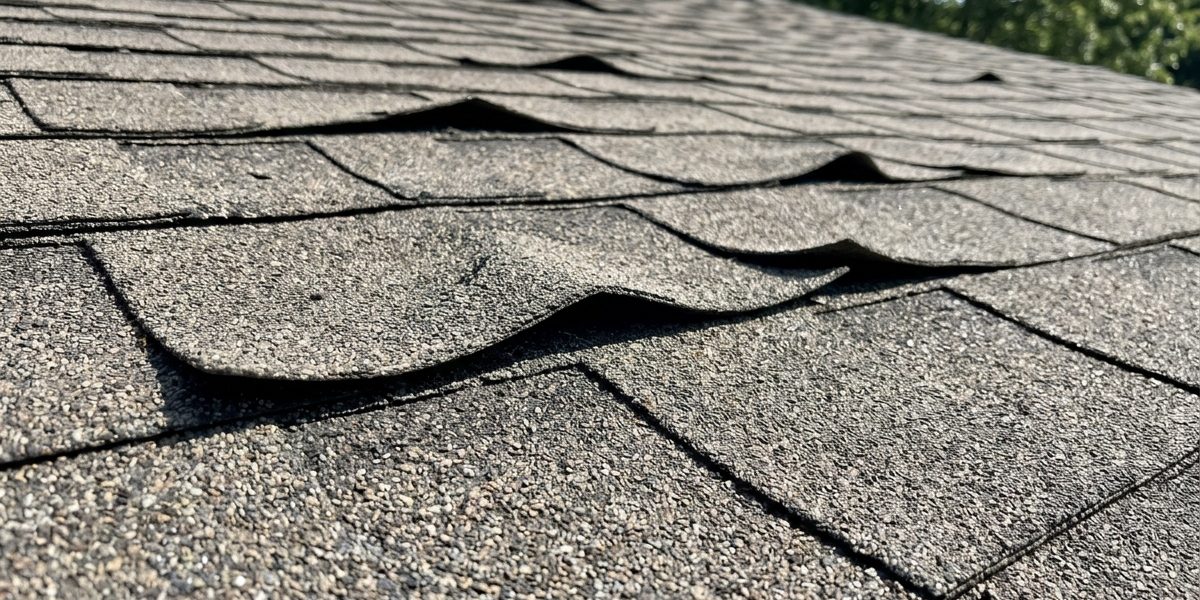

Small changes in a roof’s appearance often reveal larger issues developing beneath the surface. Curling shingles are one of the easiest warning signs to spot, yet they can point to several different conditions rather than a single problem. Understanding why shingles begin to curl helps homeowners recognize whether the roof simply needs repairs or is approaching the end of its service life.
Why Do Shingles Start Curling Instead of Lying Flat?
Curling usually develops after years of exposure to sunlight, changing temperatures, moisture, and strong weather. Asphalt shingles naturally expand and contract as outdoor conditions change, and that constant movement gradually weakens the material. Once flexibility decreases, the edges or corners may begin lifting away from the roof deck.
Aging is only one possible cause. Poor attic ventilation can trap heat beneath the roof, causing shingles to deteriorate faster than expected. Excessive moisture inside the attic may also affect roofing materials from below, reducing their ability to remain flat.
Installation quality deserves attention as well. Incorrect nail placement, improper underlayment, or products installed outside manufacturer recommendations can contribute to premature curling. Experienced Huntsville roofers evaluate all of these factors before deciding whether repairs will solve the issue.
Can Curling Shingles Lead to Water Damage?
Raised shingle edges leave parts of the roof more exposed during heavy rain and strong winds. Water can work beneath lifted sections, reaching the underlayment or roof decking if protective layers become compromised. Over time, even a small opening may allow enough moisture to create hidden damage.
Wind often makes the problem worse. Shingles that no longer lie flat catch more air during storms, increasing the chance that tabs will crack, tear away, or separate completely. That additional movement places stress on nearby shingles, allowing damage to spread beyond the original area.
Interior signs sometimes appear much later than the exterior damage. Damp insulation, attic staining, ceiling discoloration, or mold growth may develop after moisture has traveled through the roofing system for months. Homeowners searching for roof repair near me should have curling shingles inspected before leaks become visible indoors.
Does Curling Always Mean the Roof Needs Replacement?
Curling does not automatically mean a complete roof replacement is necessary. A limited number of affected shingles may be repaired if the surrounding materials remain in good condition and the roof has not reached the end of its expected lifespan. Professional inspections determine whether the damage is isolated or widespread.
Roof age plays an important role in that decision. Older roofs showing curling across multiple sections often experience other forms of wear at the same time, including granule loss, cracking, or weakened flashing. In those cases, repeated repairs may provide only temporary results.
Inspection findings should guide the recommendation instead of assumptions. A dependable roof repair company considers the condition of the decking, underlayment, ventilation, and drainage before recommending Huntsville roof repair or a full replacement.
What Other Warning Signs Often Appear Alongside Curling?
Curling shingles rarely develop alone. Missing granules, cracked tabs, loose flashing, exposed nails, sagging areas, clogged valleys, and damaged ridge caps frequently appear as the roofing system continues aging. Looking at the roof as a whole provides a clearer picture than focusing on one symptom.
Attic conditions also offer valuable information. Uneven temperatures, moisture buildup, mold, and poor airflow can shorten the lifespan of roofing materials while contributing to continued curling. Correcting those underlying issues may help protect future repairs.
Seasonal weather patterns deserve consideration too. Heat, humidity, hail, and high winds gradually weaken shingles over time, especially if routine maintenance has been delayed. Homeowners comparing roofing near me should ask whether inspections include both exterior roofing materials and the attic beneath them.
How Do Roofing Professionals Decide the Best Solution?
A thorough inspection begins with identifying why the shingles curled in the first place. Contractors evaluate roof age, material condition, ventilation, flashing, drainage, previous repairs, and the extent of visible deterioration before recommending the next step. That complete assessment prevents unnecessary work while addressing the actual cause of the problem.
Repair recommendations make sense when the affected area is limited and the remaining roof continues performing well. Larger sections showing advanced wear often make roof replacement the more practical investment because it eliminates recurring repairs and restores full weather protection.
Homeowners comparing a roof company should look for detailed inspections instead of quick estimates based only on curbside observations. Fleming Roofing offers residential evaluations, Huntsville roof repair, and roof replacement services by examining the full roofing system, helping homeowners understand what curling shingles indicate and which solution best fits the roof’s current condition.


