

Restaurant uniforms often smell after washing because commercial grease polymerizes deep inside synthetic fibers. Low washing temperatures fail to dissolve heavy animal fats and rancid vegetable cooking oils. Using specialized degreasers and enzyme detergents eliminates trapped culinary aromas permanently.
Hospitality workers in bustling metropolitan dining scenes face intense grease vapor exposure during every culinary shift. Over 76 percent of food service staff struggle with lingering kitchen odors in laundered uniforms. Additionally, aerosolized fryer oils penetrate woven polyester chef coats within fifteen minutes of exposure. Restaurant professionals need proven methods to remove fried food odor from clothing effectively. Upgrading laundry routines ensures sanitary, odor-free work attire that maintains rigorous dining room hygiene standards.
Key Takeaways
- Grease polymerization: High kitchen heat cures cooking oils into insoluble films on synthetic fibers.
- Water temperature deficit: Cold municipal water cannot melt hardened lard or vegetable shortening residues.
- Detergent residue buildup: Excessive laundry soap traps rancid culinary grease inside woven textile yarns.
- Bacterial degradation: Microbes consume trapped food oils inside warm fabric, generating pungent sour odors.
- Enzyme laundry boosters: Protease and lipase enzymes digest stubborn organic grease deposits during agitation.
- Vinegar rinse action: Natural acetic acid cuts soap scum and neutralizes lingering alkaline food smells.
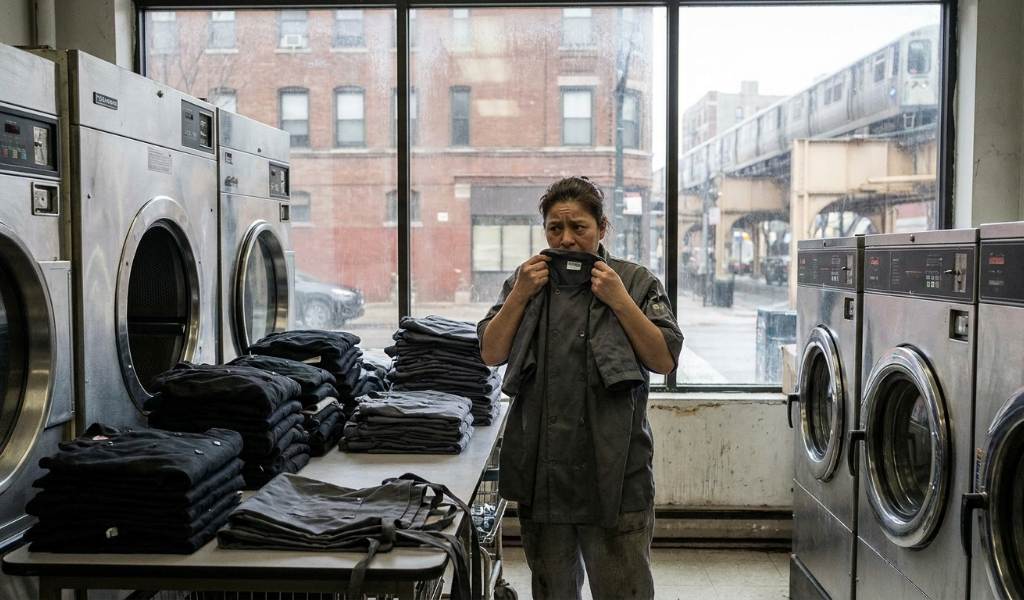
Why Commercial Kitchen Grease Clings To Uniforms
Commercial kitchen environments generate massive volumes of vaporized grease from deep fryers and flat-top grills. These tiny lipid droplets float through kitchen air currents and coat staff apparel continuously throughout long shifts. Consequently, cotton aprons and polyester chef coats absorb dense layers of animal and vegetable fats.
Synthetic uniform fabrics like polyester and nylon are naturally oleophilic, meaning they attract oily substances. These fibers readily bond with hot cooking oils while resisting plain water during standard wash cycles. Therefore, ordinary domestic washing machines cannot remove embedded grease without targeted chemical degreasing agents.
Repeated exposure to high heat from kitchen ranges partially polymerizes trapped cooking oils within fabric threads. This chemical change converts liquid grease into a sticky, varnish-like coating that resists standard laundry detergents. Over multiple shifts, this polymerized film builds up and creates an enduring rancid aroma.
Furthermore, sweat and natural body oils interact with the trapped culinary fats deep inside garment seams. Bacteria feed on this organic mixture, producing volatile fatty acids that release foul, sour odors. Washing with weak detergents simply masks the smell temporarily without eliminating the bacterial food source.
How Regional Winter Conditions Impact Laundry Effectiveness
Freezing Midwest winter temperatures cause municipal tap water to run exceptionally cold into residential washing machines. Cold tap water solidifies animal fats and heavy cooking oils instead of liquefying them for removal. As a result, detergents fail to emulsify stubborn grease during standard cold water wash cycles.
Additionally, closed indoor environments during long winter seasons restrict fresh air circulation inside laundry utility areas. Industrial leaders know that integrated capabilities matter complex challenges require comprehensive planning from start to finish. Proper ventilation and temperature regulation work together to eliminate trapped industrial smells from indoor spaces.
Indoor radiator heating systems also bake lingering grease particles directly into unwashed laundry sitting in hampers. Storing soiled chef coats in warm, poorly ventilated laundry baskets allows sour odors to intensify rapidly. Therefore, kitchen staff must wash soiled work apparel promptly rather than letting garments accumulate.
Hard water minerals present in municipal water supplies can also hinder regular detergent performance. Calcium and magnesium ions react with laundry soap to produce sticky curd that traps grease molecules. Adding water softeners or washing soda counters this mineral interference and restores detergent cleaning power.
Essential Pre-Treatment Techniques For Greasy Chef Coats
Stopping persistent restaurant odors requires aggressive pre-treatment before garments enter the primary wash drum. Begin by spreading the stained uniform flat on a clean, hard work table surface. Sprinkle absorbent baking soda or cornstarch generously over all oil-soaked lapels, collars, and apron zones.
Let the dry powder sit for twenty minutes to draw liquid grease away from the yarn surface. Brush the saturated powder away with a stiff brush and apply concentrated liquid dishwashing soap directly. Just like organizing tools when you pack self storage unit spaces, methodical preparation makes difficult tasks much simpler.
Massage the dish soap thoroughly into the fabric weave using a soft bristle toothbrush. The dish soap contains powerful surfactants specifically engineered to dissolve stubborn food lipids and frying oils. Allow the concentrated soap to penetrate the fibers for thirty minutes before rinsing with hot water.
For garments carrying extreme grease loads, prepare an overnight soaking bath in a deep wash basin. Dissolve half a cup of washing soda and two tablespoons of enzyme detergent in hot water. Submerge the uniforms completely to loosen polymerized grease bonds before running the main wash.
Selecting The Right Detergents And Temperature Settings
Washing restaurant uniforms requires heavy-duty laundry detergents fortified with biological enzymes like lipase and protease. Lipase enzymes break down complex fat molecules into simple water-soluble components that wash away cleanly. Standard supermarket detergents lack sufficient enzyme concentrations to dismantle stubborn restaurant fryer grease.
Always select the highest water temperature recommended on the garment care label for greasy loads. Hot water above 130 degrees Fahrenheit melts hardened fats, allowing detergent surfactants to surround oil droplets. Property managers learning what to ask hiring electrician candidates value verified technical specifications to achieve dependable operational results.
Pour one cup of distilled white vinegar into the automatic fabric softener dispenser before starting the cycle. The mild acetic acid strips leftover detergent scum and neutralizes pungent alkaline odors from fried foods. Never use commercial liquid fabric softeners, as they deposit waxy coatings that trap grease permanently.
Add an extra rinse cycle to ensure all dissolved grease and soap residues flush out completely. Incomplete rinsing leaves dirty wash water redepositing grease back onto clean cotton fibers during final spins. Thorough rinsing ensures your restaurant uniforms emerge smelling completely neutral and fresh.
Drying Practices To Prevent Odor Reactivation
Heat from commercial or home tumble dryers can create serious problems for greasy restaurant uniforms. If any residual oil remains after washing, intense dryer heat bakes the grease deep into fabric. This thermal baking causes rancid odors to become virtually permanent within the garment structure.
Always inspect chef coats and aprons thoroughly before transferring them into the clothes dryer drum. Sniff collar bands, armpit seams, and apron pockets to ensure all traces of grease have disappeared. If you detect any faint kitchen smell, wash the uniform again immediately before applying heat.
Whenever possible, line dry clean restaurant uniforms in a well-ventilated room or sunny outdoor balcony. Fresh air circulation carries away lingering moisture while natural sunlight provides powerful antimicrobial benefits. Ultraviolet rays naturally sanitize textiles and break down lingering trace organic odors without chemical additives.
If you must use an electric clothes dryer, select a low heat or delicate tumble setting. Low temperatures prevent fabric shrinkage and protect delicate buttons on professional chef coats. Add wool dryer balls to the drum to accelerate drying time without using chemical dryer sheets.
Deodorizing Non-Washable Accessories And Footwear
Kitchen staff wear non-washable gear like heavy leather shoes, slip-resistant clogs, and structured hats daily. These items absorb heavy culinary grease smoke and foot perspiration throughout demanding kitchen shifts. Without regular maintenance, greasy accessories emit strong odors that compromise personal presentation.
Wipe the outer leather surfaces of kitchen shoes with a damp cloth dipped in warm, soapy water. Use saddle soap to remove stubborn grease splatters without drying out or cracking the leather upper. Allow the shoes to dry thoroughly at room temperature away from direct heating vents.
Insert activated charcoal sachets into shoes and chef caps overnight to absorb trapped kitchen vapors. The porous charcoal attracts volatile aroma molecules and holds them securely within microscopic pores. Replace or recharge charcoal bags in direct sunlight every month to maintain peak deodorizing performance.
Mist interior linings lightly with equal parts water and distilled white vinegar using a spray bottle. The mild acid mist neutralizes odor-causing bacteria without damaging delicate inner linings or insoles. Keep shoes in a well-ventilated entryway rather than locked inside dark lockers overnight.
Establishing A Reliable Laundry Schedule For Culinary Staff
Maintaining clean restaurant attire requires a disciplined, proactive laundry schedule throughout the working week. Never let greasy uniforms linger in dark laundry hampers for more than two consecutive days. Quick turnaround prevents airborne kitchen oils from oxidizing and bonding permanently with synthetic textile fibers.
Keep a separate laundry hamper exclusively for work garments to prevent cross-contaminating family household linens. Mixing greasy restaurant aprons with bath towels transfers rancid oils onto soft cotton bath sheets. Segregating kitchen laundry protects your entire wardrobe and simplifies sorting on wash day.
Deep-clean your home washing machine drum once per month using hot water and sodium percarbonate. Grease from culinary uniforms accumulates inside drainage hoses and rubber door gaskets over time. Running an empty sanitizing wash eliminates accumulated oil sludge and keeps your washer smelling fresh.
Keep extra uniform sets on hand so you can rotate garments evenly across busy weekly shifts. Regular garment rotation gives individual pieces time to air out and reduces repetitive wash wear. Thoughtful uniform management ensures you always report to work looking sharp, clean, and professional.
Conclusion
Restaurant uniforms smell after washing because persistent culinary oils resist standard domestic laundry methods. Cold wash water, synthetic fiber chemistry, and detergent residues all contribute to trapped rancid odors. Using high temperatures, enzyme detergents, and white vinegar rinses eliminates stubborn fryer smells reliably.
Transform your uniform care routine today to maintain crisp, professional workwear every single shift. Pre-treat greasy collars promptly and inspect garments carefully before applying dryer heat at home. Take control of your culinary laundry habits now for fresh, odor-free confidence.
Frequently Asked Questions
Why do chef jackets still smell like fried food after a hot wash?
Hardened fryer oil polymerizes into synthetic fibers and requires enzyme detergents to dissolve completely.
Can white vinegar damage restaurant uniform fabrics?
White vinegar is mild and completely safe for cotton and polyester restaurant uniform blends.
How do I remove rancid grease smells from synthetic aprons?
Pre-treat aprons with liquid dish soap, then wash in hot water with enzyme detergent.
Will regular fabric softeners help remove restaurant kitchen odors?
Fabric softeners coat fibers with wax that traps kitchen grease and worsens odor problems.
How often should commercial kitchen staff wash their work uniforms?
Culinary workers should wash uniforms after every single shift to prevent oil oxidation.


