
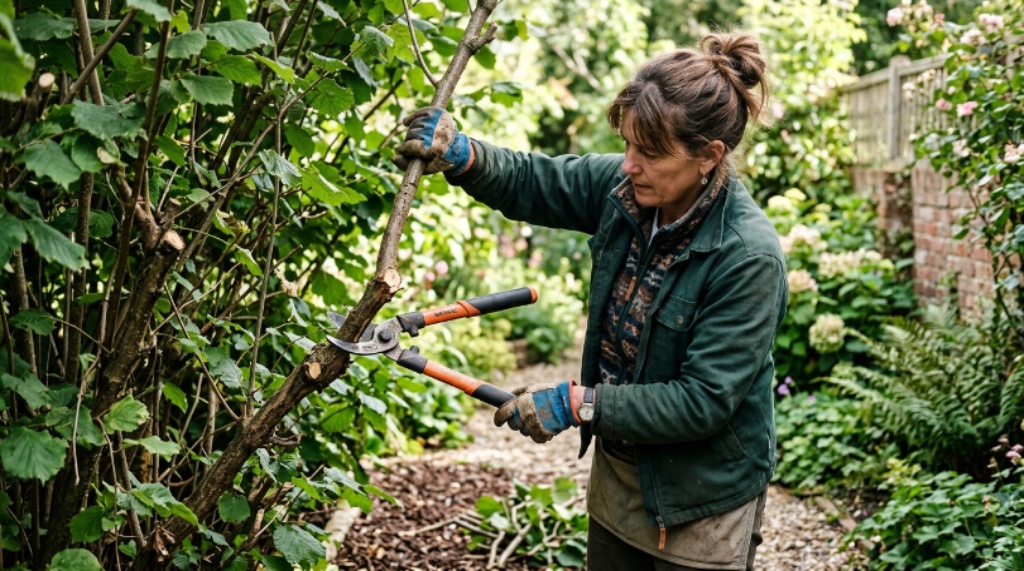

Pruning is one of the most important tasks in any garden. It keeps plants healthy, encourages new growth, and helps trees and shrubs maintain a pleasing shape. However, when branches grow thick and woody, standard garden scissors simply will not do the job. Using the wrong tool leads to jagged cuts, plant damage, and unnecessary strain on your hands and wrists.
The right pruning shears make all the difference. With the correct tool in your hand, cutting thick branches becomes clean, controlled, and far less tiring. This guide walks you through everything you need to know, from choosing the right shears to using them safely and keeping them in top condition.
Understanding the Difference Between Pruning Tools
Before you buy anything, it helps to understand the range of pruning tools available. Not all shears are built for the same task. Matching your tool to your job saves time, effort, and money.
Hand Pruners
Hand pruners, also called secateurs, are the most common garden cutting tool. They fit in one hand and work well for stems and branches up to about 15 millimetres in diameter. They are precise and easy to manoeuvre in tight spaces. However, they are not designed for thicker wood, and forcing them beyond their capacity damages both the tool and the plant.
Loppers
Loppers are essentially long-handled pruners. The extended handles give you extra leverage, which allows you to cut through branches up to 50 millimetres thick with far less effort. They are ideal for branches at ground level or above your head where hand pruners would be awkward to use.
Pruning Saws
For branches thicker than 50 millimetres, a pruning saw is the most appropriate tool. These have coarse, sharp teeth designed specifically for cutting green and seasoned wood. They cut on both the push and pull stroke, making progress efficient even through dense timber.
Understanding which tool belongs to which job prevents you from overworking yourself and protects the health of your plants.
What Makes Pruning Shears Suitable for Thick Branches
Not every pair of pruning shears is built for heavy work. When you are cutting thick stems, certain features separate a capable tool from one that will let you down mid-job.
Blade Material and Hardness
The blade is the heart of any pruning shear. High-carbon steel blades stay sharp longer and handle the repeated stress of cutting through dense wood without chipping or bending. Stainless steel is rust-resistant but tends to lose its edge more quickly. For heavy-duty work, high-carbon or titanium-coated blades are the better investment.
Look for a blade hardness rating above 55 on the Rockwell scale. This indicates the steel is hard enough to hold a cutting edge through demanding use without becoming brittle.
Blade Type: Bypass vs. Anvil
This is one of the most important decisions you will make when choosing pruning shears for thick branches.
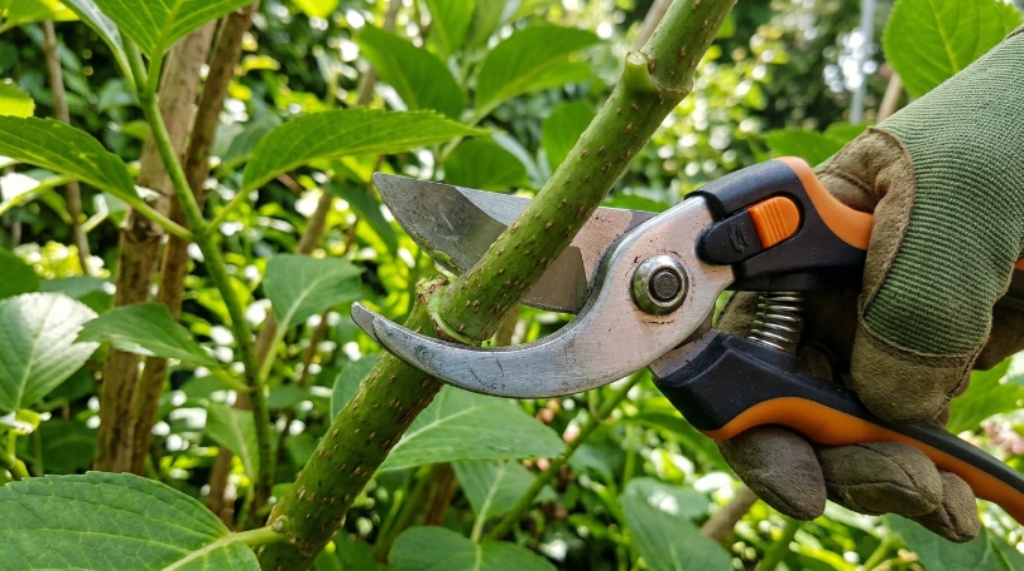
Bypass blades work like scissors. One sharp blade passes closely alongside a curved counter blade. The result is a clean, precise cut that causes minimal damage to the surrounding plant tissue. Bypass pruners are the preferred choice for live wood because they support faster healing.
Anvil blades work differently. A single straight blade closes down onto a flat metal plate. This design generates more cutting force with less hand effort, which makes anvil shears popular for heavy duty garden tools applications. However, they can crush stem tissue slightly if not kept razor sharp, so they are better suited to dead wood or branches where a perfect cut edge is less critical.
Handle Design and Grip Comfort
Handles that fit your hand reduce fatigue over long pruning sessions. Look for ergonomic grips made from non-slip rubber or cushioned synthetic material. Some shears feature rotating handles that turn slightly as you cut, reducing the rotational strain on your wrist significantly.
Spring-loaded handles that open automatically after each cut are another helpful feature. They reduce the effort required over dozens or hundreds of cuts during a long session in the garden.
Maximum Cutting Diameter
Every pair of pruning shears lists a maximum cutting diameter in the product specifications. This figure tells you the thickest branch the tool is designed to handle cleanly and safely. Choosing shears rated for at least 25 to 30 millimetres gives you comfortable capacity for most garden pruning tasks. For heavier branches, move up to loppers rather than pushing a hand pruner beyond its limit.
Techniques for Cutting Thick Branches Cleanly
Even the best shears will struggle if you use poor technique. A few simple practices ensure clean cuts, healthy plants, and less effort from you.
Make Your Cut at the Right Angle
Always cut at a slight angle rather than straight across. An angled cut allows water to run off the wound rather than pooling on it, which reduces the risk of rot and disease entering the plant. Aim for a 45-degree angle, cutting away from any remaining buds on the branch.
Cut Just Outside the Branch Collar
The branch collar is the slightly swollen ring of bark where a branch meets the main trunk or a larger limb. This tissue is the plant’s natural healing zone. Cut just outside it, leaving the collar intact. Cutting too close removes this tissue and slows healing significantly. Cutting too far out leaves a stub that dies back and invites disease inward.
Use a Rocking Motion for Tough Branches
For branches close to the maximum diameter of your shears, a straight squeeze can feel impossible. Instead, try a gentle rocking motion as you close the blades. This technique applies the sharpest section of the blade edge progressively along the cut, using mechanical advantage more efficiently and reducing the force required from your hand.
Never Twist the Blades
Twisting the shears while the blades are closed on a branch is one of the most common mistakes gardeners make. It bends the blades, misaligns the cutting edge, and can snap the branch rather than cut it cleanly. If resistance is too high, open the shears, reposition, and try again from a slightly different angle.
Maintaining Your Pruning Shears for Long-Term Performance
Heavy duty garden tools last much longer when properly maintained. A few minutes of care after each use keeps your shears cutting like new for many seasons.
Clean Blades After Every Use
Sap and plant debris accumulate on blades quickly. If left, they dry into a sticky residue that attracts rust and makes future cuts harder. Wipe blades clean with a cloth dampened with water or a small amount of methylated spirits after each session. This prevents buildup before it becomes a problem.
Oil the Pivot Point Regularly
The pivot bolt where the two blades meet needs regular lubrication. A drop of light machine oil or a dedicated tool oil keeps the mechanism moving smoothly and prevents the joint from corroding or seizing. Apply it, work the handles open and closed a few times to distribute the oil, then wipe away any excess.
Sharpen the Blade When It Starts to Drag
A sharp blade cuts; a dull blade tears. If you notice your shears dragging through wood or leaving ragged edges, it is time to sharpen. Use a small sharpening stone or a dedicated pruner sharpener, working along the bevelled edge of the blade in smooth, even strokes. Keep the angle consistent with the original factory bevel.
Additionally, sharpen only the bevelled blade in a bypass pruner. The flat counter blade does not require sharpening and should be left untouched.
Store Shears in a Dry Place
Moisture is the primary cause of rust on garden tools. After cleaning and oiling, store your shears in a dry shed or tool bag rather than leaving them outside or in a damp garage. A light coat of oil on the blades before long-term storage provides extra protection during winter months.
Staying Safe While Pruning Thick Branches
Pruning is physically demanding work, and thick branches present specific safety risks. Taking a few simple precautions protects you and those around you.
Always wear thick gardening gloves when cutting thick stems. Branches can snap back unexpectedly, and blade slips happen even to experienced gardeners. Gloves protect your hands from cuts, abrasions, and thorns that may be hidden in the foliage.
Wear safety glasses when cutting overhead branches. Debris, bark chips, and small insects fall freely during pruning work above your head. Eye protection is a simple precaution that prevents a painful and potentially serious accident.
Stand on stable ground before you begin cutting. Never overreach to the side or stand on an unstable surface while applying force to a thick branch. If the branch is beyond comfortable reach, reposition yourself or use a longer-handled lopper rather than compromising your balance.
Finally, always be aware of where a branch will fall before you make the final cut. Large branches can fall suddenly and in unexpected directions. Clear the area below, check that no one is standing in the fall zone, and position yourself to one side rather than directly beneath the cut.
Conclusion
Cutting thick branches cleanly and safely comes down to two things: choosing the right tool and using it correctly. Start by understanding the difference between hand pruners, loppers, and pruning saws. Match the tool to the diameter of the branch you are working with, and never force a shear beyond its rated capacity.
Look for shears with high-carbon steel blades, the right blade type for your task, and handles that fit your hand comfortably. Use proper cutting technique, make angled cuts just outside the branch collar, and avoid twisting the blades mid-cut. When cutting thick stems, patience and good form matter far more than brute strength.
Maintain your tools after every session and store them correctly to extend their working life. With the right heavy duty garden tools and the knowledge to use them well, even the most overgrown garden becomes manageable. Good pruning is not about effort alone. It is about working smart with equipment that is built for the job.
Frequently Asked Questions
What size pruning shears do I need for thick branches?
For branches up to 25 millimetres in diameter, a quality pair of hand pruners rated for that capacity will work well. For branches between 25 and 50 millimetres, loppers are more appropriate. Beyond 50 millimetres, use a pruning saw for the cleanest and safest result.
Are bypass or anvil pruners better for thick branches?
It depends on the wood. Bypass pruners make cleaner cuts on live wood and are better for plant health. Anvil pruners generate more cutting force, making them easier to use on dead or very hard wood. For general garden pruning of living plants, bypass is usually the better choice.
How do I know when my pruning shears need sharpening?
If the shears drag, crush rather than cut, or leave a rough, torn edge on the wood, the blade needs sharpening. A sharp blade should slide through wood with moderate hand pressure and leave a smooth, clean cut surface.
Can I use pruning shears on wet wood?
Yes, but wet wood can be tougher to cut cleanly because water in the fibres increases resistance. Additionally, cutting in wet conditions accelerates rust on the blades if you do not dry and oil them thoroughly afterward. Always clean your shears after working in wet conditions.
How often should I oil my pruning shears?
Oil the pivot point after every two or three uses during active pruning seasons. If you use your shears daily, oil them at the end of each session. Before long-term storage over winter, apply a protective oil coat to both the blades and the pivot to prevent rust and corrosion.


