

Dealing with moisture issues under your home can be challenging, especially when you need proper insulation. Many homeowners struggle with finding the right materials and methods to effectively insulate their crawl spaces or basement areas. According to experts at H Decor Ideas, choosing moisture-resistant insulation is crucial for maintaining energy efficiency and preventing long-term structural damage.
Understanding the unique challenges of damp environments helps you make informed decisions about your home’s thermal protection. The right approach can save you money on energy bills while protecting your investment from moisture-related problems.
Understanding Moisture Challenges in Underfloor Spaces
Crawl spaces and basements naturally collect moisture from various sources. Ground moisture seeps through concrete slabs and soil. Condensation forms when warm air meets cool surfaces. Plumbing leaks and poor drainage add to the problem.
These conditions create perfect environments for mold growth and wood rot. Traditional insulation materials often fail in these settings. They absorb moisture, lose their thermal properties, and become breeding grounds for harmful organisms.
Proper ventilation plays a critical role in moisture management. However, ventilation alone cannot solve insulation challenges in damp areas. You need materials specifically designed to handle moisture while maintaining their insulating properties.
Choosing the Right Insulation Materials
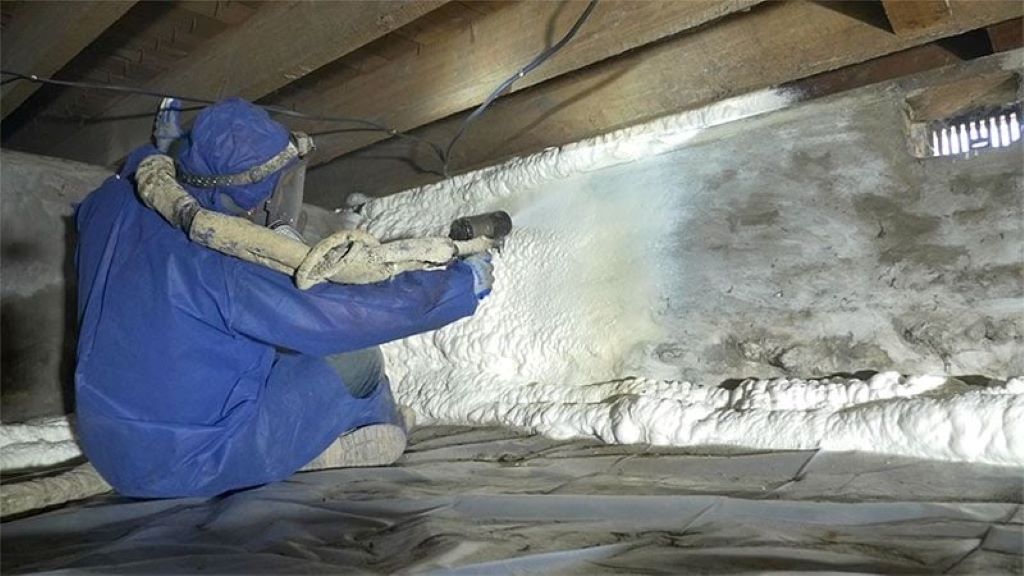
Closed-cell spray foam stands out as the premium choice for damp underfloor areas. This material creates an airtight seal while resisting moisture penetration. It adheres directly to surfaces, eliminating gaps where air and moisture could enter.
The foam expands to fill irregular spaces and cracks. This expansion creates a continuous thermal barrier that traditional batts cannot match. Additionally, closed-cell foam adds structural strength to floor joists and subflooring.
Rigid foam boards offer another excellent option for moisture-prone areas. These boards resist water absorption and maintain their insulating value even in humid conditions. They work particularly well when combined with proper air sealing techniques.
Mineral wool insulation provides fire resistance and moisture tolerance. Unlike fiberglass, mineral wool does not lose its insulating properties when exposed to moisture. However, it still requires proper installation and moisture management strategies.
Installation Techniques for Maximum Effectiveness
Professional installation ensures optimal performance and longevity. Contractors have the tools and expertise to put an insulation up under a house correctly, avoiding common mistakes that compromise effectiveness.
Proper surface preparation is essential before installing any insulation. Clean all surfaces of debris, mold, and loose materials. Seal cracks and gaps in foundation walls and subflooring. Address any active moisture sources before beginning insulation work.
Air sealing must happen before or during insulation installation. Use appropriate sealants around pipes, electrical penetrations, and rim joists. This step prevents air movement that can carry moisture into insulation materials.
Consider the installation sequence carefully. Some materials require specific temperatures and humidity levels for proper curing. Others need protection from direct moisture contact during installation.
Vapor Barriers and Moisture Management
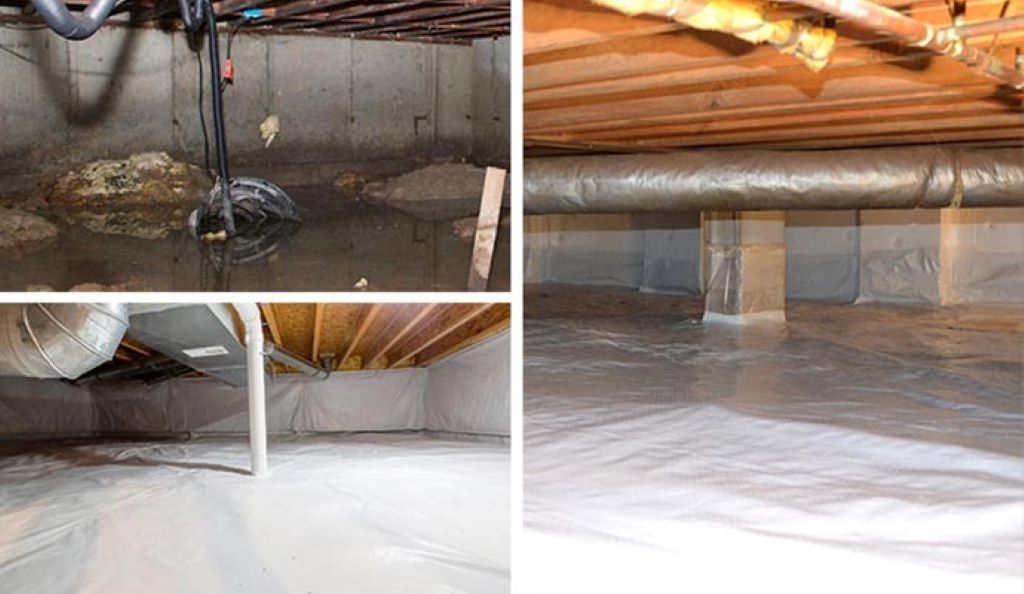
Vapor barriers control moisture movement through building assemblies. However, their placement requires careful consideration in damp underfloor areas. Incorrect vapor barrier installation can trap moisture and create bigger problems.
In most climates, vapor barriers belong on the warm side of insulation assemblies. This placement prevents warm, moist air from reaching cold surfaces where condensation occurs. However, local building codes may specify different requirements based on climate conditions.
Plastic sheeting serves as an affordable vapor barrier option. Choose materials rated for ground contact and UV resistance if applicable. Overlap seams by at least six inches and seal them with appropriate tape or mastic.
Drainage systems complement vapor barriers by removing liquid water. French drains, sump pumps, and proper grading direct water away from foundation walls. These systems reduce hydrostatic pressure that can force moisture through barriers.
Addressing Common Installation Mistakes
Many DIY projects fail because homeowners underestimate the complexity of moisture management. Inadequate surface preparation leads to poor adhesion and thermal bridging. Insufficient air sealing allows moisture-laden air to bypass insulation materials.
Mixing incompatible materials creates long-term problems. Some insulation types require specific vapor barrier materials or installation methods. Research compatibility before combining different products in your installation.
Ignoring local building codes can result in failed inspections and safety hazards. Code requirements exist to ensure safe, effective installations that protect occupants and property. Always check local requirements before beginning work.
Poor workmanship in damp areas often leads to costly repairs later. Gaps in coverage, compressed materials, and inadequate fastening reduce insulation effectiveness. These issues also create pathways for moisture infiltration.
Long-term Maintenance and Monitoring
Regular inspections help identify potential problems before they become expensive repairs. Check for signs of moisture intrusion, insulation damage, and pest activity. Look for stains, odors, or visible mold growth that indicate moisture problems.
Monitor humidity levels in insulated spaces using digital hygrometers. Relative humidity should remain below 60 percent to prevent mold growth and material degradation. Higher levels indicate ventilation or moisture control problems that need attention.
Maintain drainage systems and gutters to prevent water accumulation around foundations. Clean gutters regularly and ensure downspouts direct water well away from the house. Repair cracks in foundation walls promptly to prevent water infiltration.
Update insulation systems as materials age or building use changes. New technologies and improved materials may offer better performance than older installations. Energy audits can identify areas where upgrades would provide the most benefit.
Cost Considerations and Return on Investment
Initial costs for quality moisture-resistant insulation exceed those of traditional materials. However, the long-term benefits often justify the higher upfront investment. Reduced energy bills, fewer repairs, and improved indoor air quality provide ongoing value.
Professional installation adds to project costs but ensures proper performance and warranty coverage. Many contractors offer financing options that spread costs over time while providing immediate energy savings.
Energy rebates and tax credits may offset some installation costs. Check with local utilities and government agencies for available programs. These incentives often require specific materials or installation methods to qualify.
Calculate payback periods based on your specific situation and local energy costs. Higher energy prices and extreme climate conditions typically result in shorter payback periods for insulation upgrades.
Conclusion
Insulating damp underfloor areas requires careful material selection and proper installation techniques. Closed-cell spray foam, rigid foam boards, and mineral wool offer superior moisture resistance compared to traditional materials. Professional installation ensures optimal performance and longevity while avoiding common mistakes that compromise effectiveness.
Success depends on addressing moisture sources, proper air sealing, and appropriate vapor barrier placement. Regular maintenance and monitoring help preserve system performance over time. While initial costs may be higher, quality moisture-resistant insulation provides excellent long-term value through reduced energy bills and fewer repair needs.
Frequently Asked Questions
What is the best insulation for very damp crawl spaces? Closed-cell spray foam provides the best performance in very damp conditions because it creates an airtight, moisture-resistant barrier while maintaining its insulating properties even when exposed to humidity.
Can I install underfloor insulation myself, or should I hire professionals? While DIY installation is possible, professional installation ensures proper moisture management, air sealing, and code compliance. Mistakes in damp areas can lead to expensive repairs and health hazards.
How do I know if my current underfloor insulation has moisture problems? Look for signs like musty odors, visible mold, sagging or discolored insulation, increased humidity levels, and higher energy bills. These indicators suggest moisture infiltration and insulation failure.
What should I do about existing mold before installing new insulation? Address all mold issues before installing new insulation. This includes identifying and eliminating moisture sources, removing contaminated materials, and treating affected areas with appropriate antimicrobial solutions.
How often should I inspect underfloor insulation in damp areas? Inspect damp underfloor areas at least twice yearly, preferably in spring and fall. Also check after heavy rains, plumbing leaks, or any signs of moisture problems in living spaces above.
Read More:
Two Benefits of a Vinyl Lined Pool
Top Benefits Of Working With A Professional Home Construction Company


