Why Lawn and Garden Soil in Charlotte, NC Needs Slow Release Feeding for Better Growth

Charlotte homeowners take pride in healthy lawns and productive gardens. However, many landscapes struggle because soil nutrients disappear faster than expected. Studies from agricultural extension programs show that nutrient loss can reduce plant performance by more than 30% during active growing periods. As a result, gardeners increasingly rely on slow release garden fertilizer methods to support consistent growth. Understanding why lawn and garden soil in Charlotte, NC needs slow release feeding for better growth can help property owners achieve stronger roots, greener grass, and healthier plants throughout the year.
Understanding Charlotte’s Unique Soil Conditions
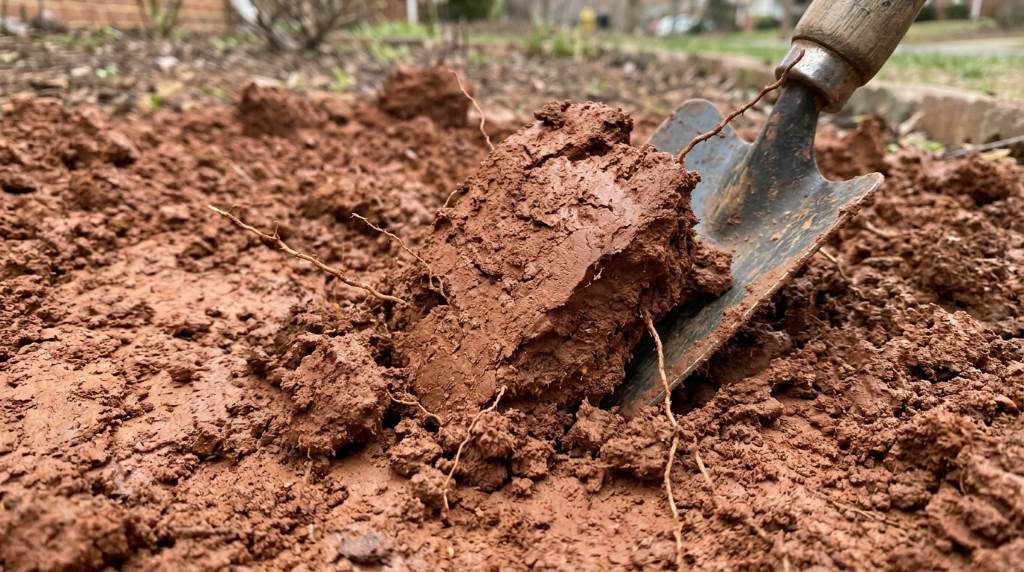
Charlotte sits within the Piedmont region, where clay-heavy soils dominate many residential landscapes. These soils often become compacted and limit air movement around plant roots. Consequently, nutrients may remain unavailable even when fertilizers are applied. Gardeners frequently notice uneven growth because roots struggle to access essential elements.
Heavy rainfall patterns also influence soil health throughout the region. During spring and summer storms, water can wash away valuable nutrients from the upper soil layers. Therefore, fast-acting fertilizers often provide only temporary benefits. Slow feeding solutions help maintain nutrient availability despite changing weather conditions.
Local soil tests commonly reveal low organic matter levels in established lawns. Without sufficient organic material, soil cannot store nutrients effectively. As a result, plants experience cycles of rapid growth followed by nutrient shortages. A controlled feeding approach helps reduce these fluctuations and supports balanced development.
What Is Slow Release Feeding?
Slow release feeding refers to the gradual delivery of nutrients over an extended period. Unlike quick-release products, these fertilizers release nutrients through moisture, temperature changes, or microbial activity. Consequently, plants absorb nutrients steadily rather than receiving large doses all at once. This process supports sustained growth without excessive stress.
Many slow-release products contain coated nutrient granules. These coatings regulate how quickly nutrients enter the soil environment. Therefore, roots receive a predictable supply throughout the growing season. Gardeners benefit from fewer applications and more consistent results.
Organic materials can also function as slow-release nutrient sources. Compost, aged manure, and natural amendments gradually break down over time. As decomposition occurs, plants receive a continuous nutrient supply. This natural feeding pattern closely mirrors healthy ecosystem processes.
Why Fast Release Fertilizers Often Fall Short
Fast-release fertilizers provide immediate nutrient availability. While this may seem beneficial, the effects often disappear quickly. Excess nutrients can leach away after heavy rain events. Consequently, plants may experience brief growth spurts followed by nutrient deficiencies.
Rapid nutrient availability can also encourage weak top growth. Plants may produce lush leaves while developing shallow root systems. Therefore, lawns become more vulnerable to drought and heat stress. Strong roots require a steady nutrient supply rather than sudden nutrient surges.
Another concern involves nutrient runoff into nearby waterways. Excess fertilizer can leave residential landscapes during storms. As a result, environmental problems may develop in streams and ponds. Slow-release products help reduce these losses and improve nutrient efficiency.
Benefits of Slow Release Feeding for Charlotte Lawns
Stronger Root Development
Roots form the foundation of healthy turfgrass. Slow nutrient availability encourages roots to grow deeper into the soil profile. Consequently, grass can access water reserves during dry periods. Deeper roots also improve resilience during seasonal temperature swings.
Consistent Green Color
Many homeowners want lawns that remain green throughout the growing season. Slow feeding supports steady chlorophyll production over time. Therefore, grass maintains a more uniform appearance. The result often looks healthier and more attractive than lawns treated with quick-release fertilizers alone.
Reduced Maintenance Requirements
Frequent fertilizer applications require time and effort. Slow-release feeding reduces the need for repeated treatments. As a result, homeowners spend less time managing nutrient schedules. This convenience makes lawn care more practical for busy families.
Benefits for Vegetable and Flower Gardens
Garden plants require stable nutrition during each growth stage. Vegetables need nutrients for root formation, flowering, and fruit production. Therefore, sudden nutrient shortages can reduce yields significantly. Slow feeding helps maintain continuous plant performance.
Flowering plants also benefit from gradual nutrient availability. Consistent feeding encourages longer blooming periods and stronger stems. Consequently, gardens maintain their visual appeal throughout the season. Many gardeners notice improved flower quality when using controlled nutrient sources.
Those who enjoy outdoor hobbies often appreciate the patience involved in gardening. Similar to simple hobby ideas anyone can enjoy, successful gardening rewards steady effort over time. Slow-release feeding follows the same principle by supporting gradual, reliable progress. This approach often produces more satisfying long-term results.
How Charlotte’s Climate Supports Slow Release Strategies
Charlotte experiences warm summers and relatively mild winters. These conditions promote active microbial activity for much of the year. Consequently, organic slow-release materials break down effectively. Nutrients become available at a pace that aligns with plant growth.
Seasonal rainfall patterns further support gradual nutrient delivery. Moisture activates many slow-release mechanisms without causing excessive nutrient loss. Therefore, plants continue receiving nourishment even after rain events. This stability helps gardens remain productive throughout changing weather conditions.
Summer heat presents another challenge for local landscapes. High temperatures place additional stress on turfgrass and ornamental plants. As a result, nutrient management becomes even more important. Slow feeding provides a dependable nutrient supply during demanding conditions.
An Overlooked Advantage: Soil Microbial Synchronization
One rarely discussed benefit involves microbial synchronization within the soil ecosystem. Beneficial bacteria and fungi depend on steady nutrient cycles to thrive. Consequently, abrupt fertilizer spikes can disrupt natural microbial activity. Slow nutrient delivery supports a more balanced underground environment.
Healthy microbial populations help convert organic matter into plant-available nutrients. They also improve soil structure and water retention. Therefore, plants benefit from both direct and indirect nutrient support. This hidden partnership often contributes to long-term landscape success.
Researchers continue exploring the relationship between soil biology and plant performance. Many findings suggest that stable nutrient availability encourages stronger microbial communities. As a result, lawns and gardens become more self-sustaining over time. This advantage receives far less attention than traditional fertilization discussions.
Practical Slow Release Feeding Tips for Homeowners
- Test soil before applying any fertilizer.
- Choose products designed for regional climate conditions.
- Apply nutrients during active growth periods.
- Water according to product instructions.
- Add compost regularly to improve soil quality.
- Monitor plant response throughout the season.
Soil testing remains one of the most important steps. A professional analysis identifies nutrient deficiencies and pH imbalances. Consequently, homeowners avoid unnecessary fertilizer applications. Targeted feeding plans often produce better results while reducing costs.
Combining slow-release products with organic matter creates additional benefits. Compost improves nutrient retention and soil structure simultaneously. Therefore, plants gain access to both immediate and long-term resources. This balanced strategy supports healthier growth across diverse landscape areas.
Common Mistakes to Avoid
Applying excessive fertilizer remains a frequent problem. Many gardeners assume that more nutrients automatically produce better growth. However, overfeeding can stress plants and waste resources. Following label recommendations helps prevent these issues.
Ignoring soil compaction can also limit success. Even the best fertilizer cannot overcome severe root restrictions. Therefore, aeration may be necessary before implementing a feeding program. Healthy soil structure allows nutrients to reach plant roots effectively.
Some homeowners focus exclusively on fertilizer while neglecting watering practices. Nutrient uptake depends on adequate soil moisture. Consequently, inconsistent irrigation can reduce fertilizer effectiveness. Balanced management produces the strongest results.
Creating a Long-Term Lawn and Garden Plan
Successful landscapes depend on consistency rather than short-term fixes. Slow-release feeding works best when incorporated into a yearly maintenance schedule. Therefore, homeowners should plan applications around seasonal growth patterns. Regular observation helps identify changing plant needs.
Gardening often shares similarities with preparing quality meals. Just as most popular UK family recipes rely on balanced ingredients, healthy landscapes require balanced nutrition. Each nutrient plays a specific role in plant development. Consistent feeding creates harmony throughout the growing environment.
Likewise, proper technique matters in every process. Learning how to use hand tools effectively improves kitchen results, and careful fertilizer management improves gardening outcomes. Small adjustments often produce noticeable improvements. Over time, these practices contribute to stronger and healthier landscapes.
Conclusion
Understanding why lawn and garden soil in Charlotte, NC needs slow release feeding for better growth helps homeowners make smarter landscaping decisions. The region’s clay soils, rainfall patterns, and seasonal weather create challenges that gradual nutrient delivery can address effectively. Slow feeding supports deeper roots, healthier soil biology, improved nutrient efficiency, and more consistent plant performance. By adopting a long-term nutrient strategy, gardeners can build stronger lawns and more productive gardens year after year. Start with a soil test, choose quality slow-release products, and create a seasonal plan to achieve lasting results.
FAQs
How often should I apply slow-release fertilizer in Charlotte, NC?
Most products require applications every two to four months depending on the formulation.
Is slow-release feeding suitable for vegetable gardens?
Yes, it provides consistent nutrients that support healthy vegetable growth and production.
Can slow-release fertilizers reduce nutrient runoff?
Yes, they release nutrients gradually, which lowers the risk of runoff during rainfall.
Do clay soils benefit from slow-release feeding?
Yes, controlled nutrient delivery helps compensate for nutrient availability challenges in clay soils.
Should I combine compost with slow-release fertilizer?
Yes, compost improves soil structure and nutrient retention while supporting long-term fertility.