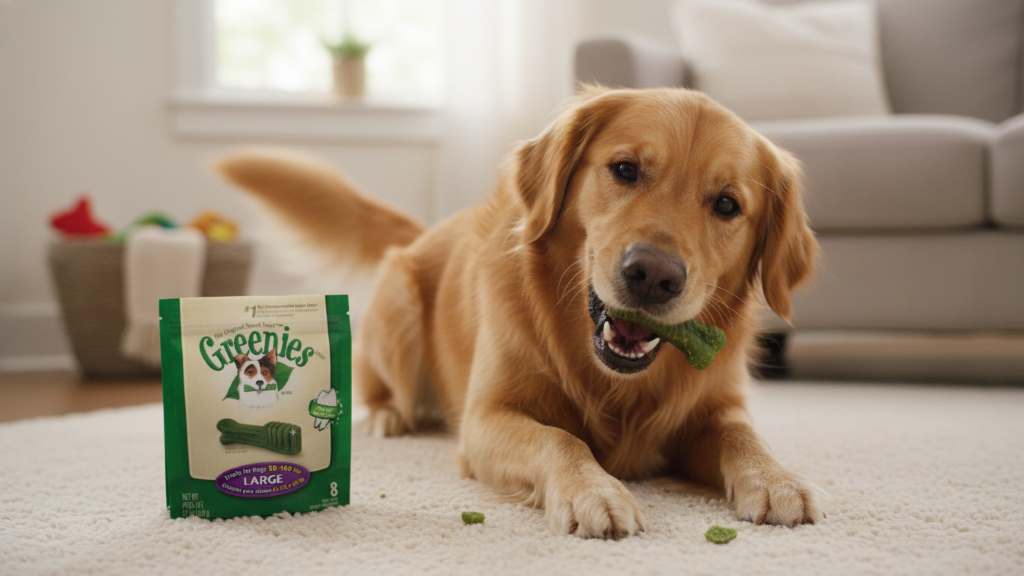

Imagine your furry friend flashing a bright smile after a fun play session. Yet, many dogs suffer from hidden dental issues that affect their joy. Dental chews offer a straightforward solution to boost canine oral health. These treats help clean teeth while dogs enjoy chewing. Owners often overlook oral care, but simple habits make a big difference. According to the National Institutes of Health, periodontal disease strikes at least 80% of dogs over three years old. Cornell University reports even higher rates, up to 90% in some cases. Start with options like long-lasting dog chews to see quick improvements. This article explores how these chews work and why they matter.
Why Oral Health Matters for Dogs
Dogs face dental problems just like people do. Plaque builds up on their teeth daily. Over time, this turns into tartar and leads to gum disease. Periodontal issues cause pain and bad breath. Additionally, bacteria from the mouth can enter the bloodstream. This affects organs like the heart and kidneys. Research from Purdue University links gum disease to heart problems in dogs. They studied over 59,000 cases to confirm this connection.
Poor oral health reduces a dog’s quality of life. Eating becomes painful with inflamed gums. Playtime suffers when teeth hurt. Owners notice changes in behavior first. For instance, a once energetic pup might avoid toys. Regular checkups catch issues early. However, prevention at home proves more effective. Daily routines keep smiles healthy and happy.
How Dental Chews Work
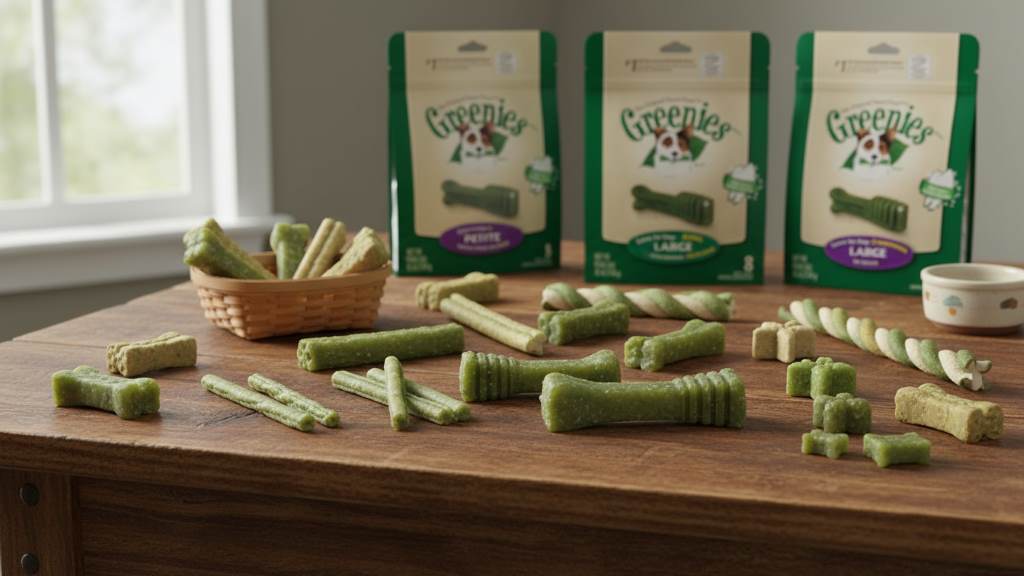
Dental chews scrub teeth through mechanical action. Dogs bite down and chew vigorously. This removes plaque before it hardens. Special shapes and textures enhance the cleaning effect. Ridges massage gums while scraping surfaces. Ingredients like enzymes break down bacteria too.
Chewing stimulates saliva production. Saliva naturally fights harmful microbes in the mouth. As a result, breath freshens over time. Studies show consistent use reduces calculus buildup. For example, a 2024 research in the Journal of Veterinary Dentistry found chews lower gingivitis scores. Dogs in the trial showed less bleeding and healthier gums after weeks of use.
Benefits of Using Dental Chews
These treats control plaque and tartar effectively. Regular chewing prevents buildup on tooth surfaces. Healthier teeth mean fewer vet visits for cleanings. Moreover, gums stay strong and inflammation drops. A study from PMC in 2024 noted lower bacterial diversity in dogs using chews. This shift promotes a balanced oral microbiome.
Breath improves noticeably with fresh ingredients. Mint or parsley in some products masks odors naturally. Chewing also provides mental stimulation. Bored dogs find joy in these activities. Additionally, they support overall wellness by reducing infection risks. Owners report happier pets with brighter smiles.
Types of Dental Chews
Commercial options vary widely for different needs. Some focus on breath freshening with herbal additives. Others emphasize tartar control through abrasive textures. VOHC-approved chews meet strict standards for efficacy. These include popular brands tested for safety.
Natural chews use ingredients like sweet potato or kelp. They avoid artificial colors and preservatives. For sensitive stomachs, grain-free versions work best. Bully sticks offer a tougher chew for aggressive biters. However, supervision ensures safe consumption. Each type suits specific dog sizes and ages.
Homemade varieties allow customization at home. Simple recipes use common kitchen items. They provide fresh alternatives without added chemicals.
Choosing the Right Dental Chew for Your Dog
Consider your dog’s size first. Small breeds need softer, smaller pieces to avoid choking. Larger dogs handle tougher textures well. Check the chew’s flexibility next. Rubber-like materials prevent tooth fractures. Avoid hard items that could crack enamel.
Look at ingredients for quality. Natural enzymes and vitamins boost oral health. Steer clear of high-calorie options for weight control. Additionally, read labels for allergens. Peanut butter flavors suit many, but confirm no sensitivities. Vets recommend starting slow to monitor reactions.
Texture plays a key role too. Nubs and ridges clean better than smooth surfaces. For puppies, opt for gentler chews to protect growing teeth. Senior dogs benefit from softer ones to ease chewing. Always supervise during treat time.
Related:
Giving an Indoor Cat an Outdoor Space
Incorporating Dental Chews into Your Dog’s Routine
Start with one chew per day for consistency. Pair it with mealtime to build habits. This makes oral care feel like a reward. Over time, dogs look forward to the routine. Combine chews with brushing for best results. Use dog-safe toothpaste weekly.
Track progress by checking breath and gums. Noticeable changes appear in a few weeks. If issues persist, consult a vet. They might suggest professional cleanings alongside home care. Daily dental chews for dogs fit seamlessly into busy schedules. Owners find them easy and effective.
Variety keeps things exciting. Rotate flavors to prevent boredom. This encourages regular use without force.
Homemade Dental Chew Recipes
Making chews at home saves money and ensures fresh ingredients. Gather simple items from your kitchen. For a basic recipe, mix grated carrots with oat flour and peanut butter. Form into sticks and bake until firm. Carrots provide natural abrasiveness for cleaning.
Another option uses pumpkin puree and mint. Blend with coconut oil for binding. Freeze in molds for a cool treat. Pumpkin aids digestion while mint freshens breath. Parsley adds extra odor control in this mix.
Try honey-sweetened versions for picky eaters. Combine with parsley and coconut oil. Shape and dehydrate slowly. These recipes avoid preservatives found in stores. Always use dog-safe amounts to prevent upset stomachs.
Common Myths About Dental Chews
Many believe chews replace brushing entirely. However, they complement other care methods. Brushing removes deeper plaque that chews miss. Another myth claims all chews work equally. In reality, quality varies by brand and ingredients. Research shows some reduce plaque better than others.
People think natural means always safe. Yet, even homemade ones need portion control. Overfeeding leads to weight gain. Additionally, hard chews suit every dog is false. Aggressive chewers risk tooth damage with brittle items. Choose based on individual needs.
Some say chews cause digestive issues. Proper selection prevents this. Grain-free options help sensitive pups. Vets debunk these myths with evidence from studies.
Potential Risks and How to Avoid Them
Supervision minimizes choking hazards. Break large chews into smaller pieces if needed. Watch for swallowing whole chunks. Stop use if diarrhea occurs. This signals an ingredient mismatch.
Allergies show as itching or vomiting. Test new chews gradually. Consult vets for recommendations. They know your dog’s history best.
Overuse adds extra calories. Balance with exercise to maintain weight. Rotate dog oral care products for variety. This keeps routines fresh and effective.
Combining Dental Chews with Other Oral Care
Brush teeth twice weekly for thorough cleaning. Use enzymatic toothpaste designed for dogs. Finger brushes make the process simple. Water additives fight bacteria daily. Add them to bowls for passive care.
Professional cleanings address advanced issues. Vets scale teeth under anesthesia safely. Follow up with chews to maintain results. Toys like ropes aid in plaque removal too. Chewing on them mimics natural behaviors.
Diet plays a role in oral health. Dry kibble scrapes teeth better than wet food. Incorporate veggies for extra crunch.
The Science Behind Dental Chews
Recent studies highlight their efficacy. A 2024 PMC article showed reduced halitosis and calculus. Dogs chewed daily for measurable improvements. Bacterial shifts favored healthy microbes.
Veterinary Dentistry Journal confirmed plaque reduction. Trials involved diverse breeds for broad applicability. These findings support daily use.
Ingredients like chlorhexidine provide antimicrobial effects. Enzymes break down biofilms on teeth. Textures mimic brushing actions naturally.
Real-Life Stories from Dog Owners
Sarah’s Labrador struggled with bad breath. She introduced dental chews weekly. Within a month, the odor vanished. Her vet praised the gum health improvement.
Mike’s Terrier avoided food due to pain. Homemade chews eased discomfort. Now, playtime includes enthusiastic chewing sessions. These stories show practical benefits.
A rescue group used chews for shelter dogs. Adoption rates rose with healthier smiles. Volunteers noted happier, more adoptable pups.
Future Trends in Canine Oral Care
Innovations include probiotic-infused chews. They promote gut and mouth health together. Eco-friendly materials gain popularity too. Biodegradable options reduce waste.
Smart devices track chewing habits. Apps remind owners of routines. Vets predict more personalized products ahead. Breed-specific formulas address unique needs.
Research continues on natural antimicrobials. Seaweed extracts show promise in trials. These advancements make care easier for everyone.
In conclusion, dental chews simplify canine oral health maintenance. They reduce plaque, freshen breath, and prevent disease. Choose quality options suited to your dog. Incorporate them daily for best results. Start today by picking a chew and watching your pup thrive.
FAQs
What Are the Best Dental Chews for Small Dogs?
Small dogs need soft, bite-sized chews to avoid choking. Look for flexible textures with natural ingredients. VOHC seals ensure effectiveness.
How Often Should I Give My Dog Dental Chews?
Offer one chew daily for optimal benefits. Consistency matters more than quantity. Monitor weight and adjust as needed.
Can Dental Chews Replace Vet Checkups?
Chews support home care but don’t replace professional exams. Vets spot issues early. Use both for complete health.
Are Homemade Dental Chews Safe?
Yes, when made with dog-safe ingredients. Avoid toxic items like chocolate. Test small amounts first for tolerances.
Do Dental Chews Help with Bad Breath?
They freshen breath by removing plaque. Herbal additives enhance this effect. Results show in weeks with regular use.
References