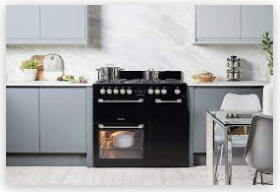
Imagine preparing a family meal in a calm space. No loud hums drown out conversations. Kitchens often buzz with disruptive sounds from appliances. This noise stresses everyone out. A quiet island range hood changes that. It pulls away smoke and odors without adding extra racket. For example, consider this quiet island range hood that blends strong performance with low sound. Studies show kitchen noise hits 69 to 90 decibels. That level risks hearing loss over time. The CDC notes noisy environments raise heart disease chances by linking to poor sleep and high blood pressure. You deserve a peaceful kitchen. This guide shows how.
Understanding Kitchen Noise Sources
Kitchens host many sound makers. Appliances lead the pack. Dishwashers run at 50 to 70 decibels. Blenders reach 80 to 95 decibels. Garbage disposals hit 76 to 83 decibels. These levels add up quickly.
Moreover, refrigerators hum at 40 to 43 decibels constantly. Electric can openers buzz at 81 to 83 decibels. Vacuum cleaners nearby spike to 84 to 89 decibels. Such sounds create a chaotic backdrop.
Additionally, cooking itself contributes. Sizzling pans echo. Boiling water bubbles loudly. Even chopping vegetables on hard surfaces clangs. These everyday actions amplify the din.
Furthermore, exhaust fans and range hoods often worsen it. Older models roar at high speeds. They pull air but drown out talks. Poor ductwork rattles too.
In fact, restaurant kitchens average 80 decibels. Home kitchens mirror this during peak use. Workers face risks from prolonged exposure. You might too in your space.
Consequently, identifying sources helps. List noisy items. Note when they peak. This step guides reduction efforts. Start with the loudest culprits.
The Impact of Kitchen Noise on Health and Well-being
Noise affects more than ears. It stresses the body. Constant sounds raise cortisol levels. This hormone links to anxiety and irritability.
Research confirms this. A 2023 study in Environmental Health Perspectives tied home noise to heart issues. Nighttime sounds boosted stroke risks in women.
Besides, sleep suffers. Dishwashers running late disturb rest. Poor sleep leads to fatigue. It weakens focus during days.
Children feel it too. Noisy homes hinder learning. Kids struggle with concentration. Memory retention drops amid background racket.
Adults face similar woes. Hypertension climbs with exposure. A 2024 Harvard study linked noise to cardiovascular deaths. Women showed stronger ties.
Mental health declines as well. Depression odds rise near loud areas. A Finnish study found busy roads near homes increased anxiety in youth.

Overall, kitchens amplify these effects. Families gather there. Loud appliances disrupt bonds. Peaceful spaces foster better interactions.
Thus, addressing noise improves life. Health benefits emerge quickly. Lower stress enhances moods. Better sleep boosts energy.
Experts urge action. The World Health Organization sets 53 decibels as a home limit. Many kitchens exceed this. Reduction pays off long-term.
What Makes a Range Hood Quiet?
Design plays a key role. Motors matter most. Brushless types run smoother. They produce less vibration.
Insulation helps too. Foam linings absorb sounds. They muffle fan whirs effectively.
Baffle filters contribute. These metal pieces trap grease quietly. Mesh filters sometimes rattle more.
Fan speed options allow control. Lower settings cut noise. Multiple levels offer flexibility.
Ducted systems vent outside. They operate quieter than recirculating ones. Proper ducts prevent echoes.
Size fits needs. Oversized hoods work at low speeds. This keeps decibels down.
Brands innovate here. Some use sealed fans. Friction drops. Noise follows suit.
Sones measure quietness. One sone equals a quiet fridge. Aim below three for peace.
Technology advances help. Smart sensors adjust speeds. They optimize without excess sound.
Quality builds last. Sturdy parts resist wear. Loose components cause rattles over time.
Benefits of Installing a Quiet Island Range Hood
Peace reigns in kitchens. Conversations flow freely. No shouting over fans.
Ventilation improves too. Hoods remove smoke efficiently. Air stays fresh without loud efforts.
Cooking becomes enjoyable. Focus on flavors. Distractions fade away.
Health gains follow. Reduced noise lowers stress. Better moods prevail.
Energy use drops. Efficient models run cooler. Bills shrink accordingly.
Aesthetics enhance spaces. Sleek designs fit islands. They blend seamlessly.
Durability stands out. Quality hoods last years. Fewer replacements needed.
Resale value rises. Quiet features attract buyers. Homes sell faster.
Family time thrives. Meals turn social. Bonds strengthen in calm settings.
Maintenance eases up. Clean filters keep performance high. Quiet operation persists.
How to Choose the Right Quiet Island Range Hood
Measure your space first. Hoods should cover cooktops. Add six inches on sides.
Check CFM ratings next. Aim for 150 CFM per foot. Strong pull clears air fast.
Focus on sones too. Under three ensures quiet. Test in stores if possible.
Consider duct types. Ducted vents outside best. Recirculating works for islands without vents.
Look at motor quality. Brushless options last longer. They hum less.
Evaluate filters. Baffle or mesh? Baffles clean easier. They muffle better.
Think about lighting. LED bulbs brighten counters. Dim options add ambiance.
Remote controls help. Adjust from afar. No reaching over hot stoves.
Smart features appeal. Apps monitor use. Sensors auto-adjust speeds.
Read reviews carefully. Users share real experiences. Note noise complaints.
Compare brands wisely. Established ones offer reliability. Newer innovate quietly.
Budget fits needs. Mid-range provides value. High-end adds luxuries.
Step-by-Step Installation Guide for Island Range Hoods
Gather tools beforehand. You need drills, levels, screws. Duct tape helps too.
Test the hood first. Plug it in. Ensure fans work quietly.
Mark ceiling spots next. Align with cooktop center. Use templates provided.
Drill pilot holes carefully. Secure brackets to joists. Stability prevents wobbles.
Cut duct openings if needed. Measure twice. Avoid mistakes.
Mount the main bracket firmly. Use levels for evenness. Assistance eases lifting.
Attach the hood body. Slide into place. Screw tightly.
Connect ducts securely. Use clamps and tape. Seal leaks well.
Wire electrical connections safely. Follow codes. Shut power off first.
Install chimney extensions. Adjust heights. Cover ducts neatly.
Test everything again. Run fans. Check for rattles.
Clean up debris last. Enjoy the new setup. Quiet cooking awaits.
Professionals help if unsure. Complex vents need expertise. Safety comes first.
Maintenance Tips to Keep Your Range Hood Quiet
Clean filters monthly. Soak in soapy water. Grease buildup strains motors.
Wipe exteriors weekly. Use mild cleaners. Dust causes vibrations.
Inspect fans quarterly. Remove debris. Balanced blades run smoother.
Lubricate moving parts yearly. Light oil prevents squeaks. Follow manuals.
Check ducts annually. Clear blockages. Smooth airflow reduces noise.
Replace worn parts promptly. Loose screws rattle. Tighten regularly.
Run at low speeds often. High use wears components. Balance usage.
Monitor for unusual sounds. Address early. Prevent bigger issues.
Use proper cleaners only. Harsh chemicals damage finishes. Gentle works best.
Schedule pro checks biennially. Experts spot hidden problems. Extend life.
Store manuals handy. Reference guides help. Troubleshoot easily.
Consistent care pays off. Quiet performance lasts. Enjoy hassle-free use.
Related:
Top tips for brightening a kitchen with dark cabinets
How to Create a Japandi-Style Kitchen with Replacement Cabinet Doors
Additional Strategies to Reduce Kitchen Noise
Choose quiet appliances wisely. Look for low decibel ratings. Dishwashers under 50 work well.
Add rugs strategically. They absorb footsteps. Place under tables.
Use soft-close cabinets. Doors shut gently. No slams disturb.
Install acoustic panels. Walls soak up echoes. Fabric wraps blend in.
Seal gaps thoroughly. Caulk around windows. Block outside sounds.
Position furniture smartly. Bookshelves buffer walls. Upholstered pieces dampen.
Opt for thick curtains. They muffle windows. Heavy fabrics work best.
White noise machines help. Fans cover hums. Apps provide options.
Relocate noisy items. Move washers elsewhere. Separate utility spaces.
Upgrade insulation. Walls and ceilings quiet rooms. Foam adds layers.
Plant greenery indoors. Plants soften acoustics. Large leaves absorb.
Rearrange layouts thoughtfully. Distance noisy zones. Open plans need care.
Combine methods effectively. Layers build quiet. Peace accumulates gradually.
Conclusion
Kitchens thrive in quiet. Noise sources abound but solutions exist. Quiet island range hoods lead the way. They vent without racket. Health improves as stress drops. Choose wisely for best fits. Install carefully for lasting results. Maintain regularly to preserve peace. Add extra tactics for full calm. Your space transforms. Start today. Pick a hood and reclaim serenity.
FAQs
FAQ: What decibel level should a quiet island range hood have?
Aim for under 50 decibels. This matches normal talks. Sones below three ensure comfort.
FAQ: Can I install an island range hood myself?
Yes with basic skills. Follow steps closely. Hire pros for complex wiring.
FAQ: How often should I clean my range hood filters?
Every month works best. Soak in hot water. Dry thoroughly before replacing.
FAQ: Do quiet range hoods vent as well as loud ones?
Absolutely. Design focuses efficiency. High CFM pulls air quietly.
FAQ: What other appliances reduce kitchen noise?
Quiet dishwashers help. Look for 40 decibels. Blenders with enclosures muffle too.
References