
Getting a good night’s sleep is not always easy. Many people wake up sweaty, uncomfortable, and groggy — especially during warmer months. The culprit is often something as simple as the wrong pillow. Cooling thin pillows have become one of the most effective solutions for people who struggle with heat at night. They are lightweight, breathable, and designed to help your body maintain a comfortable temperature while you sleep.
Why Heat Is the Enemy of Good Sleep
Your body naturally lowers its core temperature when you fall asleep. This drop in temperature signals the brain that it is time to rest. However, when your pillow traps heat, it works against this natural process. A warm pillow raises the temperature around your head and neck, making it harder to fall asleep and stay asleep through the night.
Studies suggest that sleeping in a cooler environment leads to deeper, more restorative sleep. Therefore, addressing heat buildup around your head is one of the simplest ways to improve your sleep quality. A thin, cooling pillow supports this process by allowing air to circulate freely around your head and neck throughout the night.
What Makes a Cooling Thin Pillow Different
Not all pillows are created equal. A standard thick pillow is often made from dense foam or tightly packed fill. These materials trap body heat and moisture, leaving you feeling hot and damp by morning.
A cooling thin pillow, on the other hand, is built with airflow in mind. Most of these pillows use materials such as:
- Gel-infused memory foam that absorbs and disperses heat
- Shredded latex that allows air to pass through freely
- Buckwheat hulls that create natural gaps for ventilation
- Phase-change materials that actively regulate surface temperature
Additionally, the covers of these pillows are usually made from a breathable pillow fabric such as bamboo-derived rayon, Tencel, or moisture-wicking polyester blends. These fabrics feel cool to the touch and pull moisture away from your skin. As a result, you stay dry and comfortable even on the hottest nights.
The Role of Pillow Thickness in Temperature Regulation
Pillow thickness plays a bigger role in sleep temperature than most people realize. Thicker pillows create more surface area in contact with your head. More contact means more heat transfer and less airflow. A thinner profile, however, reduces that contact and leaves room for air to move around freely.
Furthermore, thin pillows tend to be lighter in weight. Less material means less insulation. This is one reason why side sleepers and back sleepers who switch to a low-profile pillow often report feeling cooler within the first few nights of use.
It is also worth noting that thin pillows encourage better spinal alignment. When your neck and spine are properly aligned, your muscles can fully relax. Muscle tension generates body heat. Therefore, a pillow that supports alignment also indirectly helps keep you cool.
How Cooling Pillows Fit Into Your Sleep Setup
A cooling thin pillow works best when it is part of a broader approach to temperature management in your bedroom. Think of it as one important piece of the puzzle. Pairing your pillow with other cooling bed accessories — such as moisture-wicking sheets, a breathable duvet, or a mattress with an open-cell foam layer — creates a sleep environment that stays cool from top to bottom.
Additionally, consider your room temperature. The ideal sleeping temperature for most adults falls between 60 and 67 degrees Fahrenheit (15 to 19 degrees Celsius). A cooling pillow helps even when the room is slightly warmer than ideal, but it performs best when combined with good air circulation.
If you use a ceiling fan, position it to push air downward over your bed. This simple step, combined with the right pillow, can make a noticeable difference in how quickly you fall asleep and how long you stay asleep.
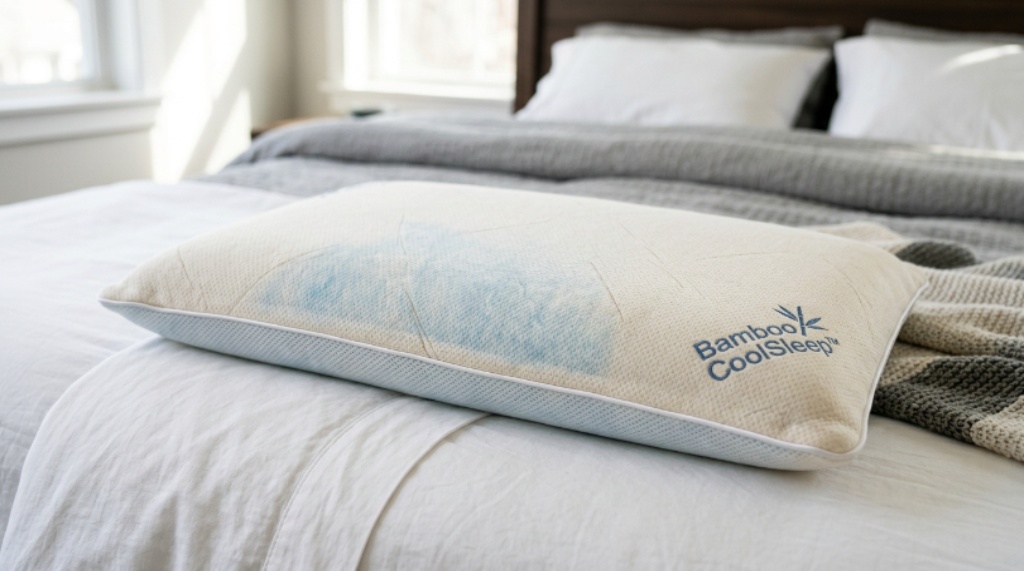
Cooling Thin Pillows for Summer Sleep
The need for temperature control is especially urgent during the summer months. High humidity and rising outdoor temperatures can make summer sleep feel nearly impossible without the right tools. This is where the combination of a breathable pillow and smart bedding choices truly shines.
During summer sleep, your body perspires more than usual. A pillow that cannot wick away that moisture quickly becomes damp and uncomfortable. Cooling thin pillows with moisture-wicking covers handle this problem by drawing sweat away from your skin and releasing it into the air. The result is a drier, fresher sleep surface throughout the night.
Moreover, thinner pillows are easier to flip over to the cool side — something nearly every hot sleeper does instinctively. Because they have less bulk, they also cool down faster when flipped, giving you that refreshing sensation more quickly than a thick pillow would.
Health Benefits Beyond Temperature
Cooling thin pillows do more than keep you comfortable. They also support your health in several other ways.
First, better sleep temperature leads to more time spent in deep sleep stages. Deep sleep is the phase when your body repairs tissue, consolidates memories, and releases growth hormones. When heat disrupts this phase, you may wake up feeling tired even after a full eight hours.
Second, sleeping cooler can reduce night sweats for people who experience them regularly. While night sweats sometimes have medical causes that need professional attention, the right sleep environment can significantly reduce their frequency and severity.
Third, people who sleep better at night tend to have more energy, sharper focus, and better emotional regulation during the day. Therefore, investing in a cooling thin pillow is not just about comfort — it is an investment in your overall well-being.
Choosing the Right Cooling Thin Pillow for You
When shopping for a cooling thin pillow, consider your preferred sleep position first. Back sleepers generally do well with a pillow that is 3 to 4 inches thick. Stomach sleepers need the least thickness — often just 2 to 3 inches — to avoid straining the neck. Side sleepers may need a slightly firmer version to fill the gap between the shoulder and ear, even in a thin design.
Next, look at the fill material. Gel-infused foam provides consistent cooling but can feel firmer. Shredded fill options tend to be more adjustable and often feel softer. Consider whether you prefer a firm, structured feel or a softer, more moldable surface.
Finally, check the pillow cover fabric. A truly breathable pillow cover is just as important as the fill inside. Look for natural fiber blends or certified moisture-wicking fabrics. Some brands also offer removable, machine-washable covers, which is a practical feature for maintaining hygiene and freshness over time.
Conclusion
Cooling thin pillows are a simple but powerful upgrade for anyone who struggles with sleep disrupted by heat. They work by allowing air to circulate, wicking away moisture, and reducing the insulation that standard pillows create. When combined with other cooling bed accessories and a well-ventilated room, they help your body maintain the lower core temperature it needs to reach deep, restorative sleep. Whether you are dealing with hot summer nights or simply run warm as a sleeper, a cooling thin pillow can make a meaningful difference in how you feel each morning. Small changes in your sleep setup often lead to big improvements in your energy, focus, and overall health.
Frequently Asked Questions
Are cooling thin pillows good for all sleep positions?
Yes, cooling thin pillows are available in various firmness levels and loft heights to suit back, stomach, and side sleepers. The key is choosing the right thickness and firmness for your specific sleep position to ensure proper neck support.
How long do cooling thin pillows last?
Most high-quality cooling pillows last between two and three years with regular use. Pillows with shredded or adjustable fill may last longer since you can add or remove material to maintain their shape over time.
Can I wash a cooling thin pillow?
Many cooling thin pillows come with removable, machine-washable covers. The inner fill itself varies — some foam pillows are spot-clean only, while shredded latex or fiber-fill pillows can often be fully machine washed on a gentle cycle. Always check the care label first.
Do cooling pillows work without air conditioning?
Yes. Cooling pillows work by regulating the temperature at the surface in contact with your head, regardless of room temperature. However, they perform best in a room with some airflow, such as an open window or a fan.
Is a thin pillow better than a thick pillow for hot sleepers?
Generally, yes. Thinner pillows have less bulk and therefore less insulating material. They also have a larger cool side relative to their mass, so flipping them provides relief more quickly. For hot sleepers, a thin profile combined with a breathable cover is usually the most effective combination.