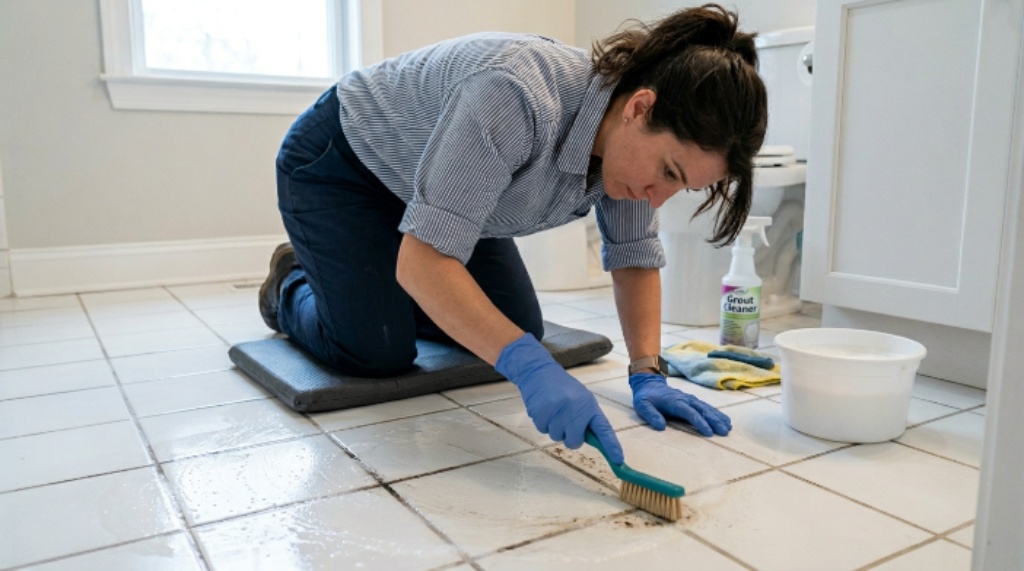

Tile floors look stunning when they are clean and well-maintained. However, many homeowners unknowingly damage their grout while trying to keep their tiles sparkling. Grout is porous and fragile. It can crack, stain, or erode if you use the wrong products or techniques. The good news is that with a few smart habits, you can clean your tile floors effectively without harming the grout at all.
This guide walks you through everything you need to know to clean tile floors like a professional while keeping your grout safe and intact.
Why Grout Gets Damaged During Cleaning
Before diving into solutions, it helps to understand the problem. Grout is made from a mixture of cement, water, and sand. This composition makes it strong enough to hold tiles together, but also vulnerable to certain chemicals and physical stress.
Many common household cleaners contain bleach, ammonia, or high-acid formulas. These ingredients are excellent at cutting through grime. However, they also eat away at grout over time. Even scrubbing too hard with a stiff brush can wear down grout and cause it to crumble.
Additionally, using too much water during mopping can be a hidden danger. Excess water seeps into the grout lines and weakens the material from within. Over time, this leads to cracks, discoloration, and even mold growth underneath the surface.
Understanding these risks is the first step toward smarter tile maintenance.
Choosing the Right Cleaning Products
The cleaning products you choose make a huge difference. Not all cleaners are safe for grout, so reading labels carefully is essential.
Look for pH-neutral cleaners. These products clean effectively without stripping the sealer from your grout or causing chemical damage. You can find pH-neutral tile cleaners at most home improvement stores. They are gentle on grout but tough on dirt.
Avoid the following products whenever possible:
- Bleach-based cleaners used too frequently
- Vinegar or lemon juice (their acidity weakens grout sealer over time)
- Ammonia-based products
- Highly abrasive powder cleaners
If you need a deeper clean, look for enzyme-based or oxygen-powered cleaners. These break down organic stains without harsh chemical reactions. They are a much safer choice for regular use.
The Right Tools for the Job
Using the right tools is just as important as using the right products. Many people reach for whatever brush or mop is nearby, but the wrong tool can scratch tiles or grind dirt deeper into grout lines.
For daily cleaning, a soft microfiber mop works best. It picks up dust and light debris without scratching the tile surface. Microfiber also does not require excessive water, which helps keep grout lines dry and safe.
For scrubbing grout specifically, use a soft-bristle brush. A medium or stiff-bristle brush may seem more effective, but it can gradually wear down grout over months of use. A soft brush, used with the right cleaner, does the job just as well without causing harm.
Electric spin scrubbers are also a great option. They provide consistent pressure and motion, which reduces the risk of scrubbing unevenly or too aggressively in one spot.
How to Clean Tile Floors Without Damaging Grout
Now that you have the right products and tools, here is how to clean your tile floors the right way.
Start with Dry Cleaning
Always begin by sweeping or vacuuming the floor. This removes loose dirt, sand, and debris before you add any liquid. Skipping this step means you will push gritty particles across the tile during mopping, which can scratch both the tiles and the grout surface.
Use Minimal Water
When mopping, wring out your mop thoroughly. The floor should feel damp after mopping, not wet. Puddles of water are the enemy of grout. Therefore, always use a well-wrung mop and work in small sections.
Apply Cleaner Directly to the Floor
Spray or apply your chosen cleaner directly onto the tile surface in manageable sections. Let it sit for two to three minutes before scrubbing. This dwell time allows the cleaner to break down grime without you having to scrub as hard.
Scrub in a Circular Motion
When you scrub grout lines, use a circular motion rather than a back-and-forth stroke. Circular scrubbing lifts dirt more effectively and distributes pressure more evenly. This technique reduces the chance of eroding grout in one particular direction.
Rinse Thoroughly
After scrubbing, rinse the floor with clean water to remove any cleaner residue. Leftover cleaning product can attract dirt faster and dull your tile’s finish over time. Additionally, rinse water should be changed frequently to avoid spreading dirty water back onto clean sections.
Dry the Floor Promptly
After rinsing, dry the floor as quickly as possible. Use a clean microfiber towel or allow good ventilation to speed up drying. This step is especially important in bathrooms and kitchens where moisture can linger.
Sealing Grout for Long-Term Protection
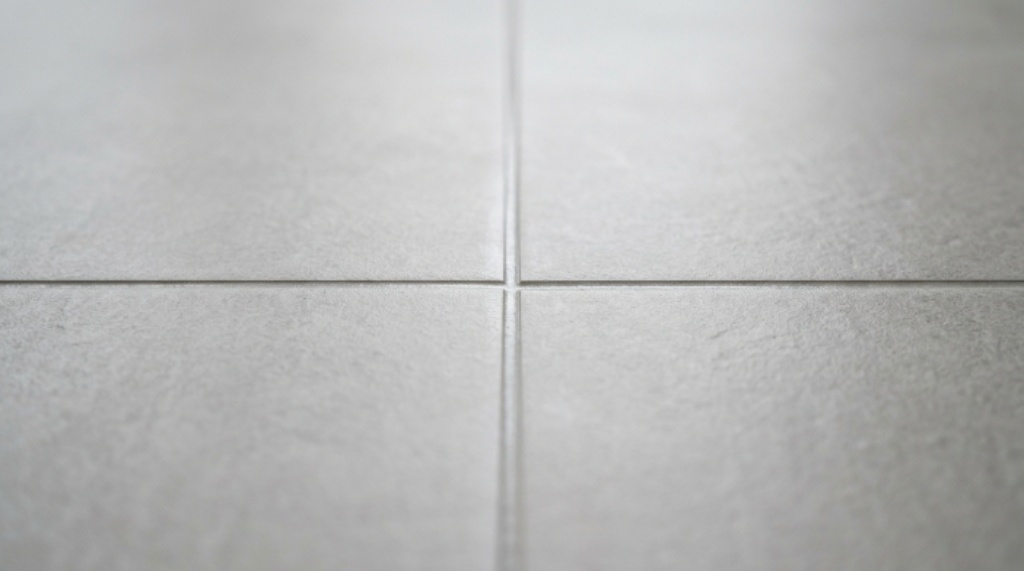
One of the best grout cleaning tips professionals rely on is sealing. Grout sealer creates a protective barrier that repels water, oil, and staining agents. Without a sealer, grout acts like a sponge and absorbs everything it touches.
New grout should be sealed after it has fully cured, which usually takes about 48 to 72 hours. After that, most experts recommend resealing every one to two years, depending on traffic and usage.
Applying sealer is straightforward. Clean the grout lines thoroughly first and let them dry completely. Then apply the sealer using a small brush or applicator bottle, working along each grout line. Wipe away any excess from tile surfaces and allow the sealer to dry according to the manufacturer’s instructions.
Sealing is one of the most powerful tools in tile maintenance. It dramatically extends the life of your grout and makes routine cleaning much easier.
Daily Habits That Make a Big Difference
Protecting grout is not just about deep cleaning sessions. Daily habits play a significant role in keeping grout healthy between cleanings.
Place doormats at all entryways to reduce the amount of dirt and grit tracked onto your tile floors. Grit is one of the primary causes of grout surface wear. Additionally, clean up spills immediately rather than letting liquids sit on the floor and seep into grout lines.
Consider using a dry microfiber mop for quick daily sweeping instead of a traditional broom. Microfiber attracts and holds dust particles, so fewer of them settle into grout lines throughout the day.
Avoid dragging heavy furniture across tile floors. This can crack both tiles and grout. Use felt pads under furniture legs instead.
When to Call a Professional
Sometimes grout reaches a point where home cleaning is no longer enough. If your grout is deeply stained, cracked, or crumbling, a professional tile and grout cleaning service may be the best option.
Professionals use steam cleaning equipment and commercial-grade sealers that are not available to the average homeowner. Steam cleaning is particularly effective because it uses high-temperature vapor to lift stains without any harsh chemicals. It is also excellent for sanitizing grout without causing chemical damage.
If grout is cracked or missing in places, a professional can also regrout those sections. This restores the appearance and structural integrity of your tile floor without requiring a full replacement.
Conclusion
Keeping your tile floors clean does not have to come at the cost of damaging your grout. By choosing pH-neutral cleaners, using the right tools, minimizing water use, and sealing your grout regularly, you can maintain beautiful floors for years. Simple daily habits like prompt spill cleanup and dry mopping also go a long way. Following these grout cleaning tips will protect your investment and keep your floors looking professionally maintained every day.
Frequently Asked Questions
How often should I seal my grout?
Most experts recommend sealing grout every one to two years. High-traffic areas like kitchen floors may need sealing more frequently.
Can I use vinegar to clean tile floors?
It is best to avoid vinegar on tiled floors with grout. Its acidic nature weakens grout sealer over time, making grout more vulnerable to staining and damage.
What is the safest cleaner for grout?
pH-neutral cleaners are the safest option for regular use. Enzyme-based cleaners are also effective and gentle on grout.
Why does my grout keep turning dark even after cleaning?
Dark grout is usually a sign that the grout is unsealed or that the sealer has worn off. Dirt and moisture are penetrating the porous surface. Resealing should solve the problem after a thorough cleaning.
Is steam cleaning safe for grout?
Yes, steam cleaning is one of the safest and most effective methods for cleaning grout. It uses heat rather than chemicals to lift dirt and kill bacteria without damaging the grout surface.
Related Topics:
How to Remove Cat Hair from Carpet Easily at Home
Keep Your Pool Sparkling: The Importance of Pool Stabilizer Low